nu

Former Chancellor Schröder back as senior executive at Russian company
Former Chancellor Schröder back as senior executive at Russian company

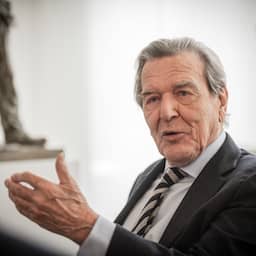
Former German Chancellor Gerhard Schröder has taken a new senior role at the Russian supermarket chain Hyperglobus. This decision follows years of intense criticism regarding his business associations with Russian state companies and his relationship with Vladimir Putin.

Former German Chancellor Gerhard Schröder has returned to a high-level position within the Russian business sector by joining Hyperglobus. The company, which split from the German retailer Globus in 2025, currently manages over twenty supermarkets across Russia that retain the original branding. This move marks another chapter in the controversial professional career of the 82-year-old former leader.

Schröder previously served as chancellor from 1998 to 2005, a period during which he established a strong relationship with Vladimir Putin. After leaving politics, he faced intense scrutiny for his involvement with Russian state-linked firms, including Nord Stream and the oil giant Rosneft. Following the 2022 invasion of Ukraine, public and political backlash grew significantly, leading the German government to revoke several of his former chancellor privileges, such as his office space and staff. Although he resigned from his positions at Rosneft and canceled plans to join Gazprom at that time, his latest appointment at Hyperglobus revives concerns regarding his ongoing ties to Russian commerce.

Based on reporting by nu. Translated and condensed by LocalHeadlines.
Related articles

Trade with Russia remains lucrative, but companies face risks

Trade with Russia remains lucrative, but companies face risks

Despite 21 rounds of European Union sanctions against Russia, some businesses continue to profit by using third-party countries to bypass export restrictions. Experts warn that while such trade is lucrative, it carries significant legal risks, including criminal prosecution and prison time for those who intentionally circumvent these measures.

Westeinder campsite residents back in court: 'compensation too low'

Westeinder campsite residents back in court: 'compensation too low'

Residents of Camping De Westeinder have returned to court in Haarlem to challenge the inadequate compensation offered by developer Kleen Estate for their forced relocation. Many residents rely on the park for permanent housing due to the local housing crisis and argue that the current offers are insufficient to cover relocation costs or provide alternative shelter.

Money has to come from somewhere in Brussels: new European taxes firmly on the table

Money has to come from somewhere in Brussels: new European taxes firmly on the table

Brussels is proposing new levies on plastics, carbon emissions, and parcel deliveries to generate independent revenue for the European Union. Critics argue these measures could act as a gateway to centralized European taxation rather than acting as genuine policy solutions.

Oil price dips slightly after Trump does business with Putin

Oil price dips slightly after Trump does business with Putin

Oil prices dipped slightly after President Trump secured a deal to import diesel from Russia in an attempt to lower fuel costs before the upcoming midterm elections. The agreement has drawn criticism from Ukrainian President Volodymyr Zelensky, who called it a concession to Russia and challenged claims regarding a de-escalation of energy infrastructure attacks.

US cannot survive a day on Russian diesel: 'This will have zero effect on the price'

US cannot survive a day on Russian diesel: 'This will have zero effect on the price'

A trade deal between Donald Trump and Vladimir Putin to supply Russian diesel to the US is unlikely to lower fuel prices because the volume is insufficient to meet even one day of national demand. The agreement has faced significant criticism from European officials due to its potential geopolitical implications.