ad

Cabinet wants to scrap staff discounts, retail sector disappointed: 'It's an important sign of appreciation for our staff'

Cabinet wants to scrap staff discounts, retail sector disappointed: 'It's an important sign of appreciation for our staff'

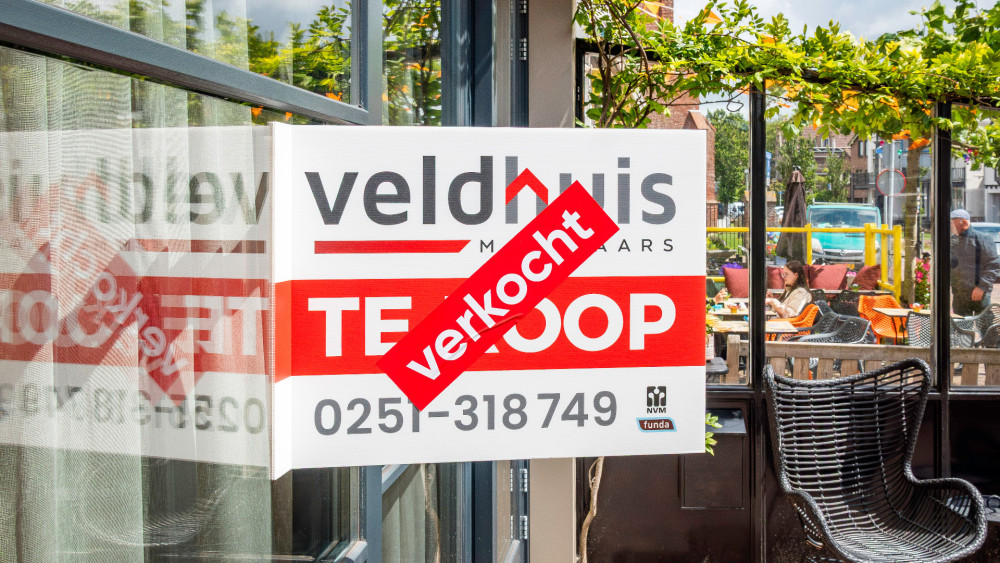
The Dutch government intends to abolish the tax-free employee discount scheme by 2027 to save 123 million euros annually. Trade organizations and retail unions strongly oppose the plan, warning it will increase administrative pressure and harm worker morale, as the discount is a valued benefit for many employees.

The Dutch government plans to eliminate the tax-free employee discount starting January 2027 as part of a budget-saving initiative expected to generate 123 million euros annually. Currently, businesses are permitted to provide employees with up to 500 euros in tax-free discounts on company products, provided the discount does not exceed 20 percent of the original price. Retail industry representatives argue that this benefit serves as a vital form of appreciation for staff, many of whom earn lower wages. The proposal has met with significant resistance, with 25 trade associations launching a petition that has already garnered thousands of signatures.

The removal of this tax benefit creates complications for companies with discounts already embedded in collective labor agreements. Employers may be forced to finance these discounts through the limited discretionary budget under the work-related costs scheme, which is also used for holiday bonuses and staff events. Critics, including spokespeople from InRetail, warn that the change will increase administrative burdens and worsen labor relations, while potentially forcing employers to pay significant taxes if the total value of employee benefits exceeds established thresholds.

Based on reporting by ad. Translated and condensed by LocalHeadlines.

Related articles

Trade with Russia remains lucrative, but companies face risks

Trade with Russia remains lucrative, but companies face risks

Despite 21 rounds of European Union sanctions against Russia, some businesses continue to profit by using third-party countries to bypass export restrictions. Experts warn that while such trade is lucrative, it carries significant legal risks, including criminal prosecution and prison time for those who intentionally circumvent these measures.

Private landlords are renting out fewer properties in the city: "A problem for students"

Private landlords are renting out fewer properties in the city: "A problem for students"

Private rental properties in Amsterdam have decreased by 18 percent in three years as landlords sell their units due to new rent control laws and increased taxation. While this shift favors buyers, it creates a significant housing crisis for students and individuals who cannot afford to purchase property in the city.

No funding for Zuidasdok megaproject in new cabinet plans

No funding for Zuidasdok megaproject in new cabinet plans

The Dutch government has frozen funding for the northern part of the Zuidasdok project to prioritize the maintenance of existing national infrastructure. This decision delays one of the country's largest development projects, sparking concerns in Amsterdam over long-term economic and accessibility impacts.

From Nedersaksen line to A20 highway: billion-euro deficit forces cabinet to make tough infrastructure choices this week

From Nedersaksen line to A20 highway: billion-euro deficit forces cabinet to make tough infrastructure choices this week

The Dutch government is set to make challenging decisions this week on infrastructure investment due to a multi-billion euro budget deficit. Officials must weigh the urgent need to repair aging roads and bridges against the viability of new projects like the Nedersaksenlijn and the A20 highway.

It is tough, it is technical, but the solution for box 3 is also hyper-political

It is tough, it is technical, but the solution for box 3 is also hyper-political

The Dutch cabinet is struggling to find a parliamentary majority for its tax plans, specifically regarding the controversial Box 3 issue. The government is currently navigating a difficult negotiation process between conflicting demands from right-wing opposition parties and internal disagreements within the three-party coalition.