nu

Norway to temporarily ban AI glasses in crowded places
Norway to temporarily ban AI glasses in crowded places

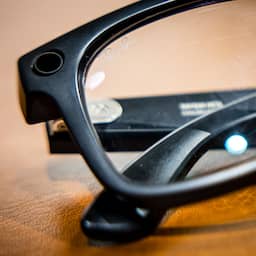
Norway is introducing a temporary ban on AI smart glasses in busy public spaces due to privacy concerns regarding unauthorized recording. The Netherlands is also debating the issue, with local retailers pulling the products from shelves as the government investigates potential legal restrictions.

Norway is implementing a temporary ban on AI-enabled smart glasses in crowded public areas such as parks, museums, beaches, and shopping centers. The move, driven by privacy concerns regarding unauthorized photography and recording, may eventually expand to schools, playgrounds, and sports facilities. While the government considers national regulations, the devices remain permitted in private settings where individuals can be recorded with awareness. Similar measures have already been adopted in other regions, including parts of Australia.

Meanwhile, the Netherlands is also grappling with the rise of these devices. Several organizations have urged Meta to cease sales of its smart glasses, prompting the Dutch parliament to push for stricter oversight. Optical chain Hans Anders has proactively removed the products from its stores until clearer legislation is established. Currently, the Dutch government is collaborating with the Data Protection Authority to analyze legal options, while awaiting guidance from the European Data Protection Board regarding the application of regional privacy laws to wearable technology.

Based on reporting by nu. Translated and condensed by LocalHeadlines.

Related articles

Seizure of 'Antifa server' at US request leads to questions and concerns

Seizure of 'Antifa server' at US request leads to questions and concerns

Dutch authorities have seized a server belonging to the Italian hosting provider Autistici/Inventati at the request of the United States. The U.S. government classifies the company as a terrorist entity, sparking concerns among Dutch digital rights groups and industry associations regarding the precedent for such cross-border legal actions.

EU selects 46 raw materials projects to reduce dependence on China

EU selects 46 raw materials projects to reduce dependence on China

The European Commission has launched 46 projects across sixteen countries to reduce reliance on China for vital raw materials like lithium and copper. These initiatives, supported by prioritized permits and funding assistance, aim to significantly boost domestic processing and recycling capacity by 2030.

Long wait times at Schiphol due to electronic passport control failure

Long wait times at Schiphol due to electronic passport control failure

Schiphol Airport is facing significant passenger delays after a technical failure incapacitated its automated eGate passport control system on Sunday morning. Royal Netherlands Marechaussee officers are currently conducting manual checks as they investigate the cause of the malfunction, which is not believed to be a cyberattack.

The Greenhouse | I prefer to jump on the facts rather than the barricade

The Greenhouse | I prefer to jump on the facts rather than the barricade

A climate journalist explores the tension between objective reporting and the pressure to advocate for systemic change to combat the climate crisis. The author concludes that journalists should remain factual rather than activist to effectively reach a wide and diverse audience.

Trade with Russia remains lucrative, but companies face risks

Trade with Russia remains lucrative, but companies face risks

Despite 21 rounds of European Union sanctions against Russia, some businesses continue to profit by using third-party countries to bypass export restrictions. Experts warn that while such trade is lucrative, it carries significant legal risks, including criminal prosecution and prison time for those who intentionally circumvent these measures.