nu

Uncertainty in oil market persists due to tensions around Strait of Hormuz
Uncertainty in oil market persists due to tensions around Strait of Hormuz

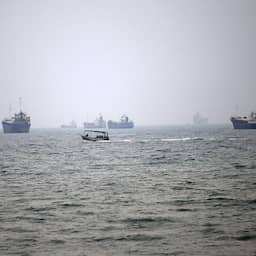
The blockade of the Strait of Hormuz continues to fuel global oil market instability as worldwide reserves drop significantly. While G7 countries are releasing strategic oil stocks to ease pressure, industry experts warn that structural supply deficits and security risks for tankers remain unresolved.

Global oil markets remain under significant pressure due to the ongoing blockage of the Strait of Hormuz, a critical waterway for global energy transit that was largely closed following military actions in late February. According to Saudi Aramco, global oil reserves have plummeted from ten billion barrels before the conflict to fewer than six billion, with only a small fraction currently available for immediate use. While the G7 nations have pledged to release 100 million barrels of strategic reserves over the next four months following a request from President Donald Trump, industry leaders warn this is merely a temporary measure that fails to address the underlying supply crisis.

Despite recent data indicating that oil exports from the Middle East have managed to return to pre-conflict levels, the situation remains precarious. Ongoing attacks on tankers and damage to critical infrastructure, such as the recent closure of a vital Saudi Arabian pipeline due to an attack from Iraq, continue to threaten supply chains. Experts note that rising global demand and the necessity for nations to replenish their depleted strategic reserves maintain intense market volatility and significant risks for commercial shipping vessels.

Based on reporting by nu. Translated and condensed by LocalHeadlines.

Related articles

French shopkeepers fear millions in losses after looting and destruction

French shopkeepers fear millions in losses after looting and destruction

French retailers are bracing for millions in damages after widespread looting and vandalism struck numerous cities, including Paris and Bordeaux, during recent riots. The government has promised to expedite support and facilitate discussions between business owners and insurers to address the significant financial impact on affected enterprises.

From near extinction to a thriving fishery: how Portugal’s sardine population was saved

From near extinction to a thriving fishery: how Portugal’s sardine population was saved

After facing near-extinction due to overfishing, Portugal's sardine population is recovering thanks to a successful management plan. This restoration has revitalized the local fishing industry while ensuring the fish remains a sustainable and healthy staple of the Portuguese diet.

Trade with Russia remains lucrative, but companies face risks

Trade with Russia remains lucrative, but companies face risks

Despite 21 rounds of European Union sanctions against Russia, some businesses continue to profit by using third-party countries to bypass export restrictions. Experts warn that while such trade is lucrative, it carries significant legal risks, including criminal prosecution and prison time for those who intentionally circumvent these measures.

France admits British cars can be labeled as Made in Europe

France admits British cars can be labeled as Made in Europe

France and Germany have agreed to a compromise for the Industrial Accelerator Act, allowing British cars to qualify as European under specific trade conditions. This exemption requires the UK to adopt European trade measures against Chinese automotive imports, balancing industrial protectionism with market access.

Westeinder campsite residents back in court: 'compensation too low'

Westeinder campsite residents back in court: 'compensation too low'

Residents of Camping De Westeinder have returned to court in Haarlem to challenge the inadequate compensation offered by developer Kleen Estate for their forced relocation. Many residents rely on the park for permanent housing due to the local housing crisis and argue that the current offers are insufficient to cover relocation costs or provide alternative shelter.