nu

NOS Sport saved over a million euros with World Cup choices
NOS Sport saved over a million euros with World Cup choices

NOS Sport saved over one million euros during the World Cup by selling sublicensing rights to Talpa and reducing travel costs by utilizing studio-based commentary. The organization is shifting its strategy to prioritize essential programming and pursue more commercial partnerships while moving away from high-cost bidding wars for sports rights.

NOS Sport successfully cut over one million euros in costs during the World Cup by opting for alternative broadcasting strategies. The organization sold sublicensing rights to Talpa for game highlights and produced commentary for three-quarters of the matches from studios in Hilversum rather than sending crews to the tournament location. Furthermore, the editorial team adopted a leaner operational model during night shifts, which the editor-in-chief, Van der Wulp, believes sets a precedent for future collaborations with commercial partners.

Van der Wulp emphasized a strategic shift away from competing aggressively for every sports broadcast right, a practice he described as outdated. While the NOS has secured rights for speed skating and short track, it remains focused on prioritizing events that resonate most with its audience. Currently, the organization is engaged in ongoing negotiations to retain the rights for Eredivisie highlights, aiming to maintain coverage despite a significantly reduced budget compared to previous years.

Based on reporting by nu. Translated and condensed by LocalHeadlines.
Related articles

Not selling out is not a death blow for festival: 'But be careful not to price yourself out of the market'

Not selling out is not a death blow for festival: 'But be careful not to price yourself out of the market'

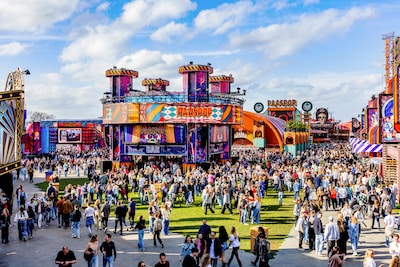
Festival organizations in the Netherlands faced a challenging summer marked by extreme weather, rising operational costs, and fluctuating ticket sales. Despite these significant hurdles, industry professionals remain optimistic due to the sector's inherent creativity and ability to adapt to difficult circumstances.

ADE: from trade fair to global stage in 30 years

ADE: from trade fair to global stage in 30 years

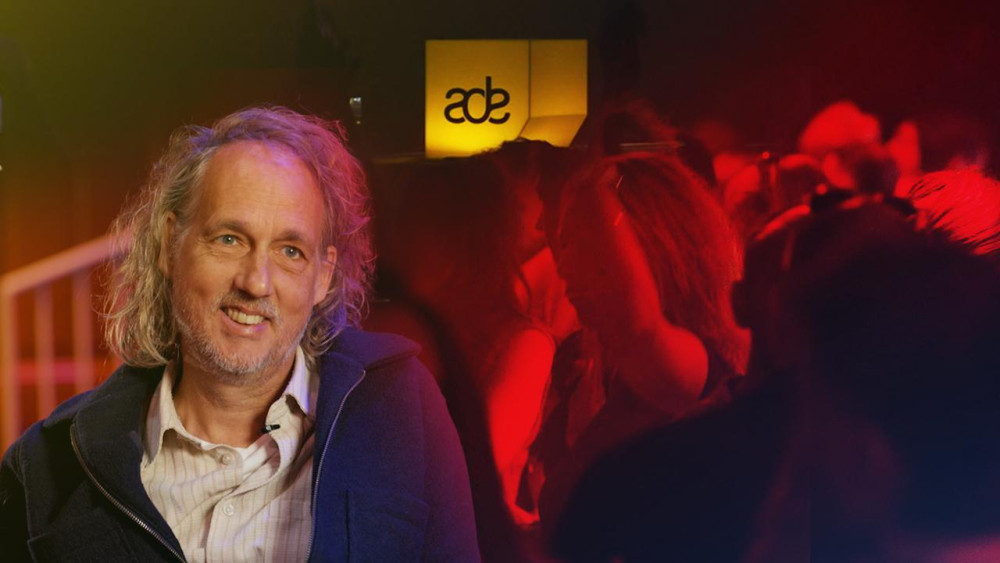
Over the past 30 years, the Amsterdam Dance Event has evolved from a small gathering of 30 performances in three clubs to a massive international festival featuring over 1,200 events. This transformation underscores its significant growth and long-standing importance in the global electronic music scene.

Not just IDFA: Amsterdam’s wider cultural sector hit by rising hotel costs as tourist tax hike drives away key visitors

Not just IDFA: Amsterdam’s wider cultural sector hit by rising hotel costs as tourist tax hike drives away key visitors

Amsterdam's cultural sector, including major events like IDFA, ADE, and the Holland Festival, is struggling due to rising tourist taxes and hotel VAT. These increased costs are forcing organizers to raise ticket prices and reduce programming, threatening the accessibility and quality of the city's cultural offerings.

The interim assessment of Project Cruyff: 8 conclusions on his mission at Ajax

The interim assessment of Project Cruyff: 8 conclusions on his mission at Ajax

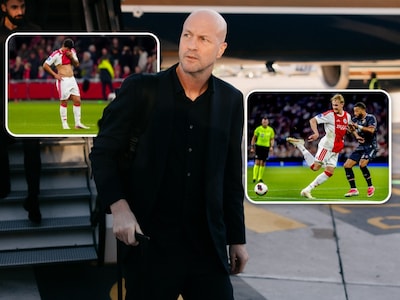
Jordi Cruijff has reached his 250th day as a leader at Ajax, prompting an evaluation of his influence on the club's operations. Eight specific conclusions have been drawn regarding his mission as the team prepares for an upcoming away match against FC Groningen.

30 years of ADE: how a small networking conference grew into the world's largest dance marathon

30 years of ADE: how a small networking conference grew into the world's largest dance marathon

The Amsterdam Dance Event is celebrating its 30th anniversary, having grown from a small industry gathering into the world's largest dance festival. Over the past three decades, the event has helped transform electronic music into a recognized art form while solidifying the Netherlands' reputation as a global leader in the dance industry.