nu

Netherlands wants to curb EU budget, but Europe needs more money
Netherlands wants to curb EU budget, but Europe needs more money

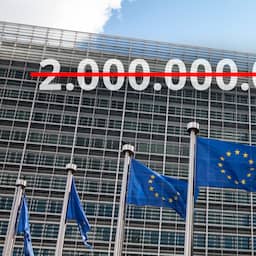
The Netherlands is urging for significant cuts to the European Commission's proposed 2,000 billion euro long-term budget, favoring a shift toward innovation and defense. While the Commission aims to reallocate funds from traditional agriculture and cohesion sectors, economists emphasize that achieving European competitiveness will require more efficient, joint investments rather than just focusing on spending levels.

Prime Minister Rob Jetten is scheduled to meet with European Council President António Costa at the Catshuis to discuss the upcoming European long-term budget. The European Commission has proposed a seven-year budget of nearly 2,000 billion euros, representing a 60 percent increase. This plan includes shifting funds away from traditional agricultural and regional cohesion programs toward innovation, security, and defense. The Netherlands, alongside five other nations, opposes this level of spending and is pushing for significant cuts to the total proposal.

Experts warn that reducing established agricultural subsidies is politically challenging, potentially threatening new funding for defense and economic competitiveness. Economists emphasize that beyond the total budget size, the efficiency of these investments is critical for improving European productivity and competitiveness against the United States. Analysts argue that joint procurement and coordinated strategies could offer necessary scale advantages for EU members. Ultimately, officials are navigating the tension between limiting overall expenditure due to higher interest rates and the need to increase spending to address modern European priorities.

Based on reporting by nu. Translated and condensed by LocalHeadlines.

Related articles

The Greenhouse | I prefer to jump on the facts rather than the barricade

The Greenhouse | I prefer to jump on the facts rather than the barricade

A climate journalist explores the tension between objective reporting and the pressure to advocate for systemic change to combat the climate crisis. The author concludes that journalists should remain factual rather than activist to effectively reach a wide and diverse audience.

Trade with Russia remains lucrative, but companies face risks

Trade with Russia remains lucrative, but companies face risks

Despite 21 rounds of European Union sanctions against Russia, some businesses continue to profit by using third-party countries to bypass export restrictions. Experts warn that while such trade is lucrative, it carries significant legal risks, including criminal prosecution and prison time for those who intentionally circumvent these measures.

Seizure of 'Antifa server' at US request leads to questions and concerns

Seizure of 'Antifa server' at US request leads to questions and concerns

Dutch authorities have seized a server belonging to the Italian hosting provider Autistici/Inventati at the request of the United States. The U.S. government classifies the company as a terrorist entity, sparking concerns among Dutch digital rights groups and industry associations regarding the precedent for such cross-border legal actions.

Russia welcomed back to IMF, Netherlands walks out during Russian speech

Russia welcomed back to IMF, Netherlands walks out during Russian speech

Dutch Finance Minister Eelco Heinen and several other delegations staged a walkout during an IMF meeting in Bangkok to protest the presence of sanctioned Russian officials. Minister Heinen emphasized that attending the session alongside these representatives would normalize ongoing Russian aggression.

Future of key climate report uncertain after failed negotiations

Future of key climate report uncertain after failed negotiations

Negotiations for the next IPCC climate assessment report have stalled due to disagreements over its release timeline and budget. While many countries want the report ready for the 2028 international climate policy review, others are pushing for delays, creating uncertainty regarding the organization's future operations.