rss

Housing, industry and nature: who gets the space along the North Sea Canal?
Housing, industry and nature: who gets the space along the North Sea Canal?

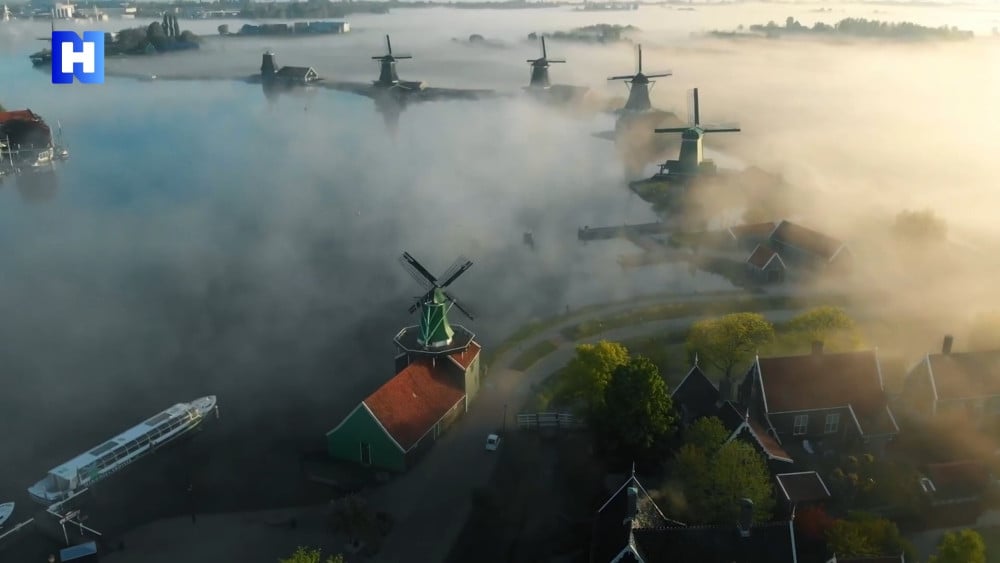
The Noordzeekanaal area is experiencing increasing pressure as industrial needs, new housing projects, and nature conservation compete for limited space. A new television series commemorates the canal's 150th anniversary by exploring how these different sectors coexist and evolve within the region.

The Noordzeekanaal area is currently facing significant spatial challenges as it attempts to balance the competing demands of new housing, industrial activity, and nature preservation. As space becomes increasingly scarce, stakeholders are grappling with how to integrate these distinct sectors while maintaining a livable environment for the surrounding communities. This complex puzzle is the focus of a three-part documentary series marking the 150th anniversary of the canal, which highlights the perspectives of those who work and live in the region.

Local figures, such as long-time shipyard worker Anton Kos and photographer Lillianne Kuijt, provide insight into the evolving landscape and the cultural identity of the industrial workforce. Meanwhile, planning officials emphasize the necessity of sustainable development and the importance of ensuring the area remains healthy for all residents. The series explores these diverse experiences, illustrating the ongoing tension between industrial progress and the growing need for residential space near Amsterdam and beyond.

Based on reporting by rss. Translated and condensed by LocalHeadlines.
Related articles

Not just IDFA: Amsterdam’s wider cultural sector hit by rising hotel costs as tourist tax hike drives away key visitors

Not just IDFA: Amsterdam’s wider cultural sector hit by rising hotel costs as tourist tax hike drives away key visitors

Amsterdam's cultural sector, including major events like IDFA, ADE, and the Holland Festival, is struggling due to rising tourist taxes and hotel VAT. These increased costs are forcing organizers to raise ticket prices and reduce programming, threatening the accessibility and quality of the city's cultural offerings.

Harry Styles concerts in Arena caused inflation in the Netherlands to rise

Harry Styles concerts in Arena caused inflation in the Netherlands to rise

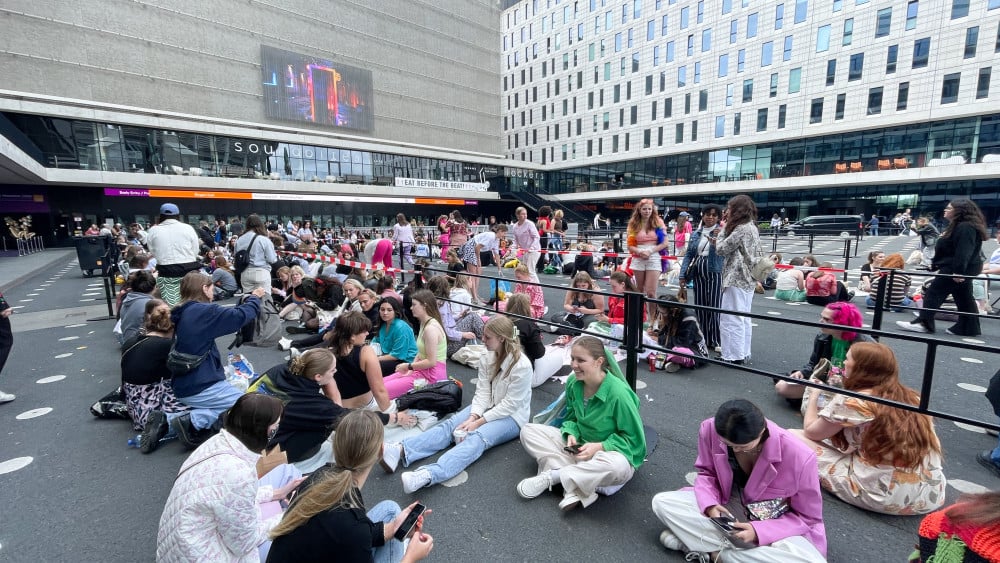
Economists from De Nederlandsche Bank have linked a series of ten concerts by Harry Styles in Amsterdam to a rise in Dutch inflation during May. The high demand from international fans led to a significant surge in hotel and ticket prices, marking an unusual impact on the national economy.

Not selling out is not a death blow for festival: 'But be careful not to price yourself out of the market'

Not selling out is not a death blow for festival: 'But be careful not to price yourself out of the market'

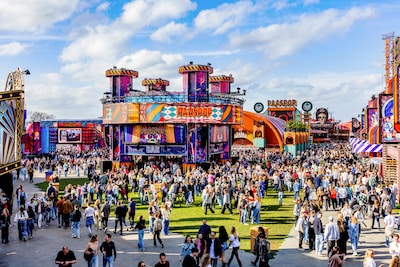
Festival organizations in the Netherlands faced a challenging summer marked by extreme weather, rising operational costs, and fluctuating ticket sales. Despite these significant hurdles, industry professionals remain optimistic due to the sector's inherent creativity and ability to adapt to difficult circumstances.

ADE: from trade fair to global stage in 30 years

ADE: from trade fair to global stage in 30 years

Over the past 30 years, the Amsterdam Dance Event has evolved from a small gathering of 30 performances in three clubs to a massive international festival featuring over 1,200 events. This transformation underscores its significant growth and long-standing importance in the global electronic music scene.

Private landlords are renting out fewer properties in the city: "A problem for students"

Private landlords are renting out fewer properties in the city: "A problem for students"

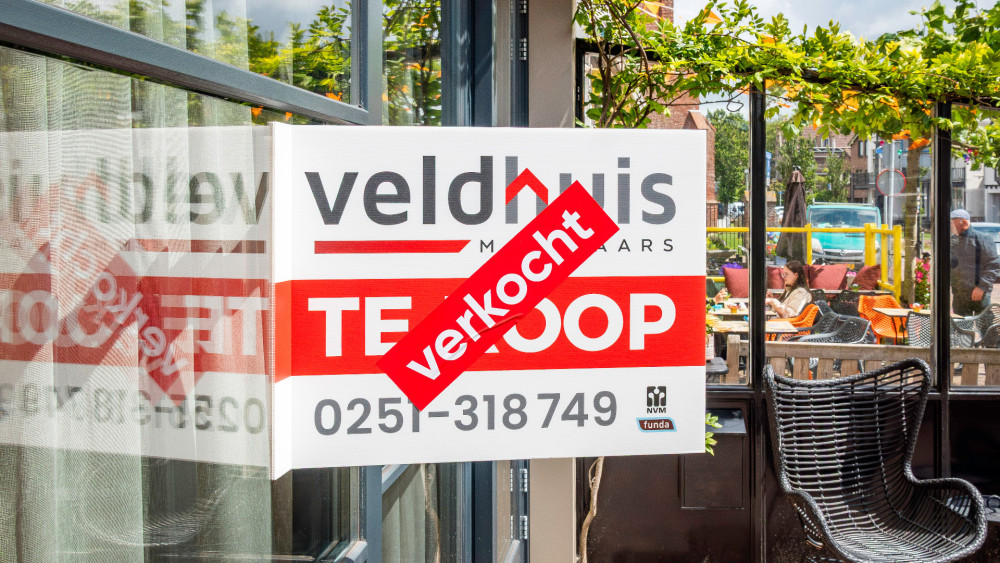
Private rental properties in Amsterdam have decreased by 18 percent in three years as landlords sell their units due to new rent control laws and increased taxation. While this shift favors buyers, it creates a significant housing crisis for students and individuals who cannot afford to purchase property in the city.