nu

Nobel Prize for US research that helps stabilize the economy
Nobel Prize for US research that helps stabilize the economy

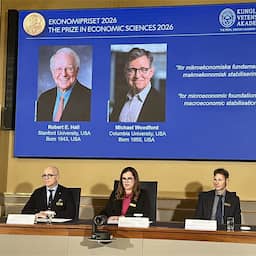
American researchers have been awarded the Nobel Prize in Economics for creating models that help governments and central banks stabilize the economy. These tools allow policymakers to better understand how economic shifts and behaviors influence financial health, enabling them to react effectively to crises.

The Nobel Prize in Economics has been awarded to American researchers for developing sophisticated models that explain the impact of household and corporate behavior on the broader economy. These theoretical frameworks serve as an essential tool for governments and central banks worldwide, providing them with the necessary data to mitigate economic volatility and maintain financial stability. By analyzing how shocks like energy crises affect spending and costs, authorities can better implement strategic responses, such as adjusting interest rates or managing public spending to support market health.

This year's laureates were recognized for creating a solid foundation for policy-making that helps keep the global economy balanced. The prestigious honor, officially titled the Sveriges Riksbank Prize in Economic Sciences in Memory of Alfred Nobel, carries a monetary award of 12 million Swedish krona. Although not part of the original five Nobel categories, this award has been presented annually since 1969 to celebrate significant contributions to the field of economic science.

Based on reporting by nu. Translated and condensed by LocalHeadlines.

Related articles

French shopkeepers fear millions in losses after looting and destruction

French shopkeepers fear millions in losses after looting and destruction

French retailers are bracing for millions in damages after widespread looting and vandalism struck numerous cities, including Paris and Bordeaux, during recent riots. The government has promised to expedite support and facilitate discussions between business owners and insurers to address the significant financial impact on affected enterprises.

From near extinction to a thriving fishery: how Portugal’s sardine population was saved

From near extinction to a thriving fishery: how Portugal’s sardine population was saved

After facing near-extinction due to overfishing, Portugal's sardine population is recovering thanks to a successful management plan. This restoration has revitalized the local fishing industry while ensuring the fish remains a sustainable and healthy staple of the Portuguese diet.

Trade with Russia remains lucrative, but companies face risks

Trade with Russia remains lucrative, but companies face risks

Despite 21 rounds of European Union sanctions against Russia, some businesses continue to profit by using third-party countries to bypass export restrictions. Experts warn that while such trade is lucrative, it carries significant legal risks, including criminal prosecution and prison time for those who intentionally circumvent these measures.

France admits British cars can be labeled as Made in Europe

France admits British cars can be labeled as Made in Europe

France and Germany have agreed to a compromise for the Industrial Accelerator Act, allowing British cars to qualify as European under specific trade conditions. This exemption requires the UK to adopt European trade measures against Chinese automotive imports, balancing industrial protectionism with market access.

Westeinder campsite residents back in court: 'compensation too low'

Westeinder campsite residents back in court: 'compensation too low'

Residents of Camping De Westeinder have returned to court in Haarlem to challenge the inadequate compensation offered by developer Kleen Estate for their forced relocation. Many residents rely on the park for permanent housing due to the local housing crisis and argue that the current offers are insufficient to cover relocation costs or provide alternative shelter.