nu

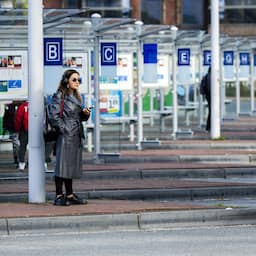
Regional transport workers go on strike: 'I want to stand up for my future'
Regional transport workers go on strike: 'I want to stand up for my future'

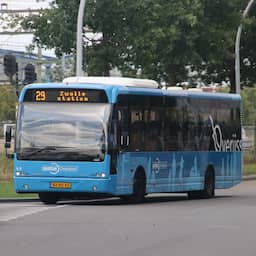
Regional bus drivers in the Netherlands have launched a series of strikes to protest proposed changes to their work schedules and longer, ten-hour shifts. The workers argue these new conditions negatively impact their personal lives and safety, while employers maintain that negotiations should have been handled without industrial action.

Regional bus drivers in the Netherlands are engaging in strikes to protest proposed changes to their collective labor agreement. Drivers like Udo Schuurmans and Wim van den Hoek object to plans that would shorten notice periods for schedules and extend workdays to ten hours, including unpaid breaks. They argue these adjustments unfairly impact their private lives and compromise safety due to the high levels of concentration required for driving. The strike affects approximately thirteen thousand employees in city and regional transport, excluding major urban centers like Amsterdam. FNV union plans to conduct rolling strikes until Christmas, with dates announced 48 hours in advance to maintain pressure on employers.

While some drivers view strikes as essential for protecting working conditions, others like Stefan Specken express reservations, noting the negative impact on passengers who rely on public transport. Meanwhile, the Association of Employers in Public Transport has expressed disappointment, stating that they hoped for a resolution through negotiations rather than industrial action.

Based on reporting by nu. Translated and condensed by LocalHeadlines.
Related articles

New strike in regional transport: fewer buses and trains on Thursday

New strike in regional transport: fewer buses and trains on Thursday

Regional transport workers in the Netherlands are set to hold another strike this Thursday, leading to reduced bus and train services. This action is part of an ongoing dispute over a new collective labor agreement, with unions planning weekly walkouts until Christmas if negotiations remain unresolved.

Not just IDFA: Amsterdam’s wider cultural sector hit by rising hotel costs as tourist tax hike drives away key visitors

Not just IDFA: Amsterdam’s wider cultural sector hit by rising hotel costs as tourist tax hike drives away key visitors

Amsterdam's cultural sector, including major events like IDFA, ADE, and the Holland Festival, is struggling due to rising tourist taxes and hotel VAT. These increased costs are forcing organizers to raise ticket prices and reduce programming, threatening the accessibility and quality of the city's cultural offerings.

Private landlords are renting out fewer properties in the city: "A problem for students"

Private landlords are renting out fewer properties in the city: "A problem for students"

Private rental properties in Amsterdam have decreased by 18 percent in three years as landlords sell their units due to new rent control laws and increased taxation. While this shift favors buyers, it creates a significant housing crisis for students and individuals who cannot afford to purchase property in the city.

Vacancy | NU.nl is looking for a social economy and healthcare reporter

Vacancy | NU.nl is looking for a social economy and healthcare reporter

NU.nl is hiring a reporter specializing in social economy and healthcare to produce original, investigative stories for its audience. The full-time position requires three years of experience and is based in Amsterdam-Duivendrecht.

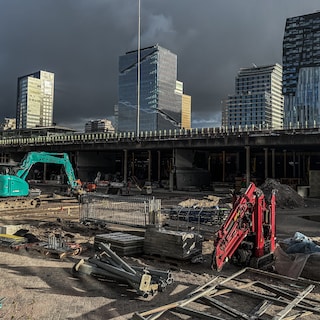
New setback for Zuidasdok: further delays and major concerns over funding

New setback for Zuidasdok: further delays and major concerns over funding

The Zuidasdok infrastructure project in Amsterdam faces significant delays and a funding shortfall of over one billion euros, leaving the completion of critical tunnels uncertain. Local officials are concerned that the lack of national financial commitment will cause years of construction disruption and threaten the economic stability of the district.