parool

Municipality, our local market in the Kinkerbuurt needs clarity to survive
Municipality, our local market in the Kinkerbuurt needs clarity to survive

A local volunteer organizer is calling on the municipality of Amsterdam to provide clarity regarding the future of neighborhood funding, which is essential for maintaining community initiatives like the Kinkerbuurt market. Recent changes to budget policies have created uncertainty, threatening the continuation of volunteer-led projects that foster local social cohesion.

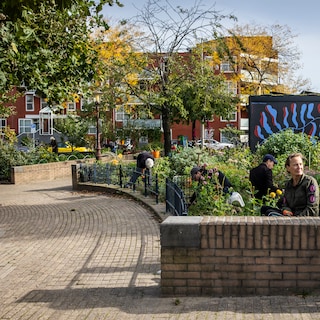
For the past four years, a local volunteer has organized a chess tournament and community market at the Nicolaas Beetsplantsoen in Amsterdam-West. The event features 55 stalls run by local residents and serves as a vital gathering space for hundreds of neighbors. The organizer has relied on municipal neighborhood budgets to fund these initiatives, but recent changes to funding policies have created significant uncertainty regarding the future of such projects.

The organizer criticizes the municipality for failing to provide clear communication or transition plans regarding the end of current neighborhood budget systems. With months of preparation required to coordinate these volunteer-led events, the lack of transparency threatens the sustainability of community efforts across the city. The organizer is now calling on the municipality of Amsterdam to take local initiatives more seriously, urging officials to provide timely guidance and clear funding structures to ensure that these valuable community bonds are not dismantled by inconsistent policies and poor communication.

Based on reporting by parool. Translated and condensed by LocalHeadlines.
Related articles

Not just IDFA: Amsterdam’s wider cultural sector hit by rising hotel costs as tourist tax hike drives away key visitors

Not just IDFA: Amsterdam’s wider cultural sector hit by rising hotel costs as tourist tax hike drives away key visitors

Amsterdam's cultural sector, including major events like IDFA, ADE, and the Holland Festival, is struggling due to rising tourist taxes and hotel VAT. These increased costs are forcing organizers to raise ticket prices and reduce programming, threatening the accessibility and quality of the city's cultural offerings.

Screen time | Facebook film raises painful question: has anything changed at Meta?

Screen time | Facebook film raises painful question: has anything changed at Meta?

Meta continues to face criticism regarding privacy concerns with its wearable technology and its influence on societal polarization. The release of the film The Social Reckoning, based on whistleblower Frances Haugen's experiences, emphasizes that the company's algorithm-driven growth strategies often conflict with user welfare and require systemic cultural change.

More overnight stays in Amsterdam again, but fewer visitors from outside Europe

More overnight stays in Amsterdam again, but fewer visitors from outside Europe

Amsterdam expects 24.4 million overnight stays in 2026, driven by continuous growth despite a drop in visitors from outside Europe. To manage the pressure of mass tourism and address resident concerns, the city plans to increase the tourist tax to 20 percent by 2031.

Harry Styles concerts in Arena caused inflation in the Netherlands to rise

Harry Styles concerts in Arena caused inflation in the Netherlands to rise

Economists from De Nederlandsche Bank have linked a series of ten concerts by Harry Styles in Amsterdam to a rise in Dutch inflation during May. The high demand from international fans led to a significant surge in hotel and ticket prices, marking an unusual impact on the national economy.

Harry Styles concert series in Arena fueled inflation in the Netherlands

Harry Styles concert series in Arena fueled inflation in the Netherlands

A series of concerts by Harry Styles at the Johan Cruijff Arena in Amsterdam significantly pushed up Dutch inflation in May due to high demand for local services. Increased spending on hotel rooms and concert tickets, driven by a large influx of international visitors, contributed to the highest hotel-related inflation impact since 2011.