nu

Netherlands wants to save emergency oil reserves, but pressure to release more grows
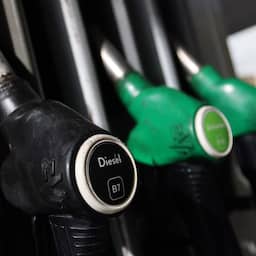
Netherlands wants to save emergency oil reserves, but pressure to release more grows

The Netherlands is resisting international pressure to release additional strategic oil reserves, arguing that these should be used only for severe supply crises rather than managing global prices. While global diesel and kerosene supplies are tightening, officials and experts maintain there is no immediate fuel shortage in the Netherlands or Europe.

The Netherlands is expressing hesitation regarding calls to release more of its strategic oil reserves despite international pressure. While the International Energy Agency has urged countries to provide additional fuel to stabilize the global market, the Dutch Ministry of Climate and Green Growth maintains that reserves should be reserved for genuine emergencies rather than market price manipulation. Currently, there are no fuel shortages reported within the Netherlands or across Europe, and experts believe the region remains well-supplied thanks to its refinery capacity and diversified crude oil imports. However, the global market is facing a significant tightening of diesel and kerosene supplies, causing rising costs that impact consumer prices. While the Netherlands previously committed to releasing a portion of its strategic stock, officials argue that further reductions could endanger domestic security during the upcoming winter. The government continues to monitor the situation, stating that any future release of reserves would require a strong justification and consultation with international partners to ensure energy reliability remains protected.

Based on reporting by nu. Translated and condensed by LocalHeadlines.
Related articles

Belgian strike affects train passengers to and from the Netherlands

Belgian strike affects train passengers to and from the Netherlands

A 24-hour rail strike in Belgium is causing significant travel disruptions, including canceled train services to and from the Netherlands and approximately 140 flight cancellations at Brussels Airport. Passengers are advised to check updated travel schedules as labor unions protest government austerity measures through widespread industrial action.

New strike in regional transport: fewer buses and trains on Thursday

New strike in regional transport: fewer buses and trains on Thursday

Regional transport workers in the Netherlands are set to hold another strike this Thursday, leading to reduced bus and train services. This action is part of an ongoing dispute over a new collective labor agreement, with unions planning weekly walkouts until Christmas if negotiations remain unresolved.

Not just IDFA: Amsterdam’s wider cultural sector hit by rising hotel costs as tourist tax hike drives away key visitors

Not just IDFA: Amsterdam’s wider cultural sector hit by rising hotel costs as tourist tax hike drives away key visitors

Amsterdam's cultural sector, including major events like IDFA, ADE, and the Holland Festival, is struggling due to rising tourist taxes and hotel VAT. These increased costs are forcing organizers to raise ticket prices and reduce programming, threatening the accessibility and quality of the city's cultural offerings.

Long wait times at Schiphol due to electronic passport control failure

Long wait times at Schiphol due to electronic passport control failure

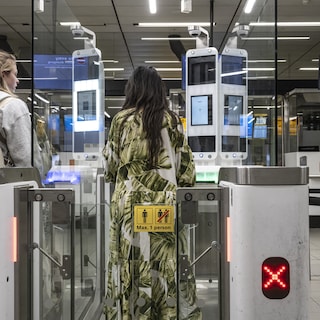
Schiphol Airport is facing significant passenger delays after a technical failure incapacitated its automated eGate passport control system on Sunday morning. Royal Netherlands Marechaussee officers are currently conducting manual checks as they investigate the cause of the malfunction, which is not believed to be a cyberattack.

Trade with Russia remains lucrative, but companies face risks

Trade with Russia remains lucrative, but companies face risks

Despite 21 rounds of European Union sanctions against Russia, some businesses continue to profit by using third-party countries to bypass export restrictions. Experts warn that while such trade is lucrative, it carries significant legal risks, including criminal prosecution and prison time for those who intentionally circumvent these measures.