nu

Trump drops Russian sanctions and tariffs approved by Congress
Trump drops Russian sanctions and tariffs approved by Congress

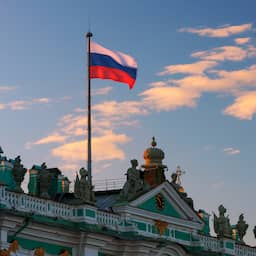
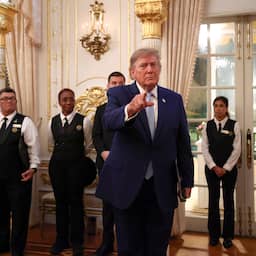
President Trump has unexpectedly blocked new sanctions and import tariffs against Russia, citing national interest despite previous congressional approval. The decision is widely viewed as an effort to stabilize energy prices ahead of the upcoming midterm elections.

President Trump has issued an executive order to pause the implementation of new sanctions and import tariffs against Russia that were scheduled to take effect this Sunday. Despite signing the Graham Act into law last September with bipartisan support from Congress, Trump stated that halting these measures, which include taxes on Russian oil and gas, is currently in the national interest of the United States. Analysts suggest this delay aims to curb rising fuel prices before the November 3 midterm elections, as many voters are concerned about the cost of gasoline and diesel.

The legislation, named in honor of the late Senator Graham, was intended to penalize countries like China and India for purchasing Russian energy. However, the decision follows a controversial agreement by the Trump administration to import substantial amounts of Russian diesel to stabilize domestic prices. Tensions have also escalated between Trump and Ukrainian President Volodymyr Zelensky, as the U.S. president criticized Ukrainian attacks on Russian energy infrastructure, further complicating the geopolitical landscape surrounding the stalled sanctions.

Based on reporting by nu. Translated and condensed by LocalHeadlines.

Related articles

The Greenhouse | I prefer to jump on the facts rather than the barricade

The Greenhouse | I prefer to jump on the facts rather than the barricade

A climate journalist explores the tension between objective reporting and the pressure to advocate for systemic change to combat the climate crisis. The author concludes that journalists should remain factual rather than activist to effectively reach a wide and diverse audience.

Trade with Russia remains lucrative, but companies face risks

Trade with Russia remains lucrative, but companies face risks

Despite 21 rounds of European Union sanctions against Russia, some businesses continue to profit by using third-party countries to bypass export restrictions. Experts warn that while such trade is lucrative, it carries significant legal risks, including criminal prosecution and prison time for those who intentionally circumvent these measures.

Seizure of 'Antifa server' at US request leads to questions and concerns

Seizure of 'Antifa server' at US request leads to questions and concerns

Dutch authorities have seized a server belonging to the Italian hosting provider Autistici/Inventati at the request of the United States. The U.S. government classifies the company as a terrorist entity, sparking concerns among Dutch digital rights groups and industry associations regarding the precedent for such cross-border legal actions.

Russia welcomed back to IMF, Netherlands walks out during Russian speech

Russia welcomed back to IMF, Netherlands walks out during Russian speech

Dutch Finance Minister Eelco Heinen and several other delegations staged a walkout during an IMF meeting in Bangkok to protest the presence of sanctioned Russian officials. Minister Heinen emphasized that attending the session alongside these representatives would normalize ongoing Russian aggression.

Future of key climate report uncertain after failed negotiations

Future of key climate report uncertain after failed negotiations

Negotiations for the next IPCC climate assessment report have stalled due to disagreements over its release timeline and budget. While many countries want the report ready for the 2028 international climate policy review, others are pushing for delays, creating uncertainty regarding the organization's future operations.