ad

Construction sector needs 73,000 new workers by 2030 and competes with defense for personnel
Construction sector needs 73,000 new workers by 2030 and competes with defense for personnel

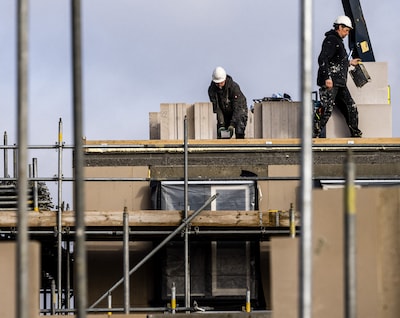
The Dutch construction sector requires 73,000 new workers by 2030 to handle major infrastructure and housing projects. The industry faces significant challenges, including stiff competition from the defense sector for technical staff and a declining influx of foreign labor.

The construction sector in the Netherlands is facing a critical labor shortage, requiring 73,000 new workers between 2027 and 2030 to meet demands in infrastructure, housing, and sustainability. A recent report from the Economic Institute for the Construction Industry (EIB) reveals that while 52,000 workers can be sourced from vocational training, an additional 21,000 must be recruited through career changers. The industry is currently struggling with high vacancy rates and is forced to compete directly with the defense sector, which is actively seeking similar technical profiles like mechanics and electricians. Furthermore, the EIB notes a decline in the number of foreign workers, partly due to stricter labor regulations and improved economic conditions in their home countries. With 47,000 of the needed workers required to replace those retiring or leaving due to disability, the sector faces significant challenges in maintaining its projected production growth. Experts warn that the pool of available technical talent is shrinking, making it essential to create attractive conditions to retain both domestic and international workers.

Based on reporting by ad. Translated and condensed by LocalHeadlines.

Related articles

House prices dip slightly again, but buying remains expensive

House prices dip slightly again, but buying remains expensive

Existing home prices in the Netherlands fell by 0.4 percent in September compared to August, though they remain 2.9 percent higher than the previous year. While the rate of price growth has slowed, houses are still significantly more expensive than they were during the peak in 2022.

How dozens of websites went offline this afternoon: 'The ball started rolling proactively in the Netherlands'

How dozens of websites went offline this afternoon: 'The ball started rolling proactively in the Netherlands'

Dozens of Dutch organizations preemptively took their websites offline on Wednesday to address two critical security vulnerabilities. While the threat was global, the Netherlands exhibited a significantly more cautious response compared to other countries.

Regional transport strikes on Thursday called off, new collective agreement talks scheduled

Regional transport strikes on Thursday called off, new collective agreement talks scheduled

Regional transport strikes planned for Thursday have been canceled as employers and unions agree to resume negotiations for a new collective labor agreement. The unions have suspended all strike actions for two weeks, warning that they will resume protests on November 4 if a deal remains elusive.

First group of regular customers can order online again at Albert Heijn

First group of regular customers can order online again at Albert Heijn

Albert Heijn has resumed online ordering for some loyal customers after a cyberattack forced a temporary shutdown of its digital and supply chain systems. The supermarket chain reports that full delivery capacity is not yet restored, but stores are now fully stocked and further compensations are being offered to customers.

Heineken must pay over 111 million euros in damages to Greek competitor

Heineken must pay over 111 million euros in damages to Greek competitor

Heineken has been ordered by an Amsterdam court to pay 111.2 million euros in damages to Greek competitor MTB. The ruling stems from the abuse of a dominant market position by Heineken's Greek subsidiary, which hindered competition through exclusive retail deals for nearly two decades.