Opinion: Experiment with cyclists on Amstelveenseweg is a dangerous signal: just remove the parking lane
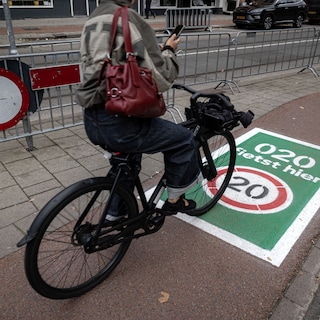
The experimental speed limit for cyclists on Amsterdam's Amstelveenseweg is criticized as a misdirected effort that fails to address the underlying infrastructure problems. Critics advocate for removing car parking lanes to provide more space for cyclists and moving all motorized vehicles off the bike paths to ensure better safety.
An experiment on the Amstelveenseweg in Amsterdam, which tests speed limits for cyclists, has sparked criticism from locals who believe it ignores the real cause of accidents. Critics argue that the current infrastructure is dangerously narrow, uneven, and crowded with parked cars and delivery vehicles. Despite cyclists being the majority of road users on this route, the space remains dominated by cars, which occupy the majority of the street. Rather than regulating cyclist speeds, observers suggest that the city should remove parking lanes to expand paths for non-motorized traffic.
The debate also highlights the issue of e-bikes, which many feel are treated differently based on the rider's social background. While fatbikes face scrutiny, high-end electric bikes are often exempt from similar criticism despite having similar speed capabilities. Experts propose that all motorized cycles should be moved to the roadway to protect traditional cyclists and pedestrians. Ultimately, improving safety on the Amstelveenseweg relies on prioritizing space for bikes over cars rather than imposing new restrictions on individuals.
Based on reporting by parool. Translated and condensed by LocalHeadlines.