A-brands in supermarkets get more expensive while private labels become cheaper
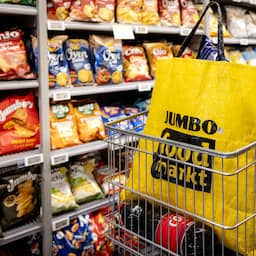
A recent analysis by the Dutch Consumers' Association shows that premium A-brand groceries rose in price by 2 percent over the past year, while budget-friendly house brands became 6 percent cheaper. Experts suggest this trend is driven by supermarkets raising base prices on premium goods to offset the costs of frequent promotional discounts.
Research from the Dutch Consumers' Association reveals a diverging trend in supermarket pricing over the past year. While premium A-brands have increased in price by an average of 2 percent, private-label budget products have seen an average price drop of 6 percent. Specific items such as Unox soup, Verkade chocolate, and Johma salads have experienced significant price hikes, with some items increasing by over 30 percent. Conversely, staples like macaroni sold under supermarket house brands have become substantially more affordable.
The Consumers' Association attributes this shift to the intense promotional culture surrounding premium brands. Because supermarkets frequently offer deep discounts on A-brands, they often raise base prices to compensate for the lost revenue. In contrast, budget items are rarely part of these complex promotional cycles. Retailers instead use these house-brand essentials as tools for direct price competition, keeping costs low to attract price-sensitive shoppers. This strategy highlights the widening gap between the rising costs of branded goods and the competitive pricing of basic household necessities.
Based on reporting by nu. Translated and condensed by LocalHeadlines.