nu

Small group of billionaires emits more than billions of poor people

Small group of billionaires emits more than billions of poor people

A new Oxfam report indicates that the world's richest 0.1 percent are responsible for a carbon footprint larger than that of the poorest 44 percent of the population. This disparity is fueled by luxury consumption and heavy investments in fossil fuel sectors, contributing significantly to global warming while disproportionately affecting vulnerable communities.

An analysis by Oxfam reveals that the world's wealthiest 0.1 percent, consisting of approximately eight million people, possesses a carbon footprint exceeding that of the poorest 44 percent of the global population. This disproportionate environmental impact is driven by high-consumption lifestyles, such as the use of private jets and luxury vehicles, alongside significant investments in polluting industries like oil companies. Oxfam attributes roughly 7 percent of global warming since 1990 to this small group of billionaires. The research highlights a stark climate inequality, as lower-income populations, who contribute the least to greenhouse gas emissions, are simultaneously the most vulnerable to climate-related disasters.

While methodologies for calculating emissions vary among researchers, experts generally agree that the findings align with established data regarding environmental inequality. Climate policy specialists emphasize that addressing climate change requires holding the wealthiest individuals accountable for their emissions. With the upcoming climate summit approaching, discussions regarding the fair distribution of responsibility between the wealthy and the impoverished are expected to take center stage in global policy debates.

Based on reporting by nu. Translated and condensed by LocalHeadlines.
Related articles

Canadian maple syrup reserves at risk of running out due to dispute with US

Canadian maple syrup reserves at risk of running out due to dispute with US

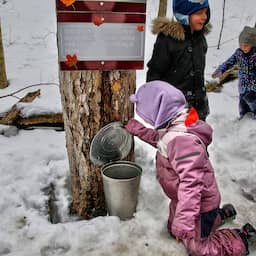
Canada's strategic maple syrup reserves are rapidly dwindling due to increased demand from American importers concerned about rising trade tariffs. The professional association in Quebec warns that stockpiles could be exhausted by February, and it may take years for production levels to recover.

KLM suspends flights to Dubai until late March due to unrest in the Middle East

KLM suspends flights to Dubai until late March due to unrest in the Middle East

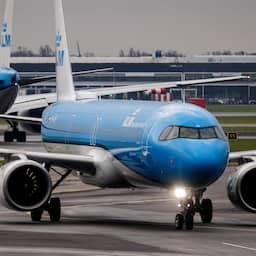
KLM has suspended flights to Dubai until late March and cancelled services to Riyadh and Dammam until November 2026 citing regional instability. The airline is responding to ongoing threats and geopolitical tensions in the Middle East, including Houthi attacks in Saudi Arabia.

Brazilian stock market plunges and halted automatically for first time since 2020

Brazilian stock market plunges and halted automatically for first time since 2020

The Brazilian stock market suffered a major drop and triggered an automatic trading halt for the first time since 2020 due to investor concerns over Lula da Silva's fiscal policies. Uncertainty has been further compounded by Jair Bolsonaro's refusal to concede the election, leaving markets anxious about the nation's future economic stability.

Sharp criticism of Audi CEO after Trump meeting: 'Puppets in propaganda'

Sharp criticism of Audi CEO after Trump meeting: 'Puppets in propaganda'

Audi CEO Gernot Döllner faces sharp criticism from labor leaders for appearing at a political event for Donald Trump. Critics claim his actions violated company policies regarding political neutrality and betrayed core corporate values.

Gas prices continue to rise, Europe enters winter with low gas reserves

Gas prices continue to rise, Europe enters winter with low gas reserves

Natural gas prices are climbing due to supply chain disruptions caused by ongoing conflict in the Middle East, leading to significantly lower export volumes from major producers like Qatar. Consequently, European gas reserves remain below seasonal averages, causing the cost of annual energy contracts in the Netherlands to rise sharply.