nu

Dinosaur skeleton auctioned for 42 million euros, second most valuable fossil ever
Dinosaur skeleton auctioned for 42 million euros, second most valuable fossil ever

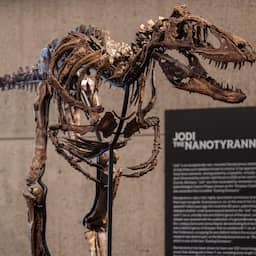
A rare Nanotyrannus dinosaur skeleton has been auctioned for 42 million euros, becoming the second-most expensive fossil ever sold. Scientists have criticized the sale, warning that moving the specimen into a private collection removes it from the public domain and limits opportunities for academic research.

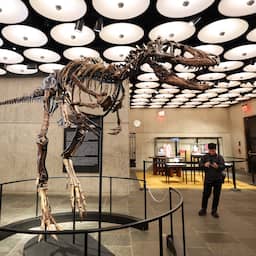
A fossil skeleton of the newly identified dinosaur species Nanotyrannus has sold for 42 million euros. The twelve-minute auction featured six bidders, though the identity of the final buyer remains undisclosed. This sale marks the second-most valuable fossil transaction in history, falling just short of a record set in July when a T. rex skeleton fetched nearly 45 million euros. The specimen stands approximately 3 meters tall and comprises 191 bones, featuring a nearly complete skull from the Late Cretaceous period.

The private sale has drawn criticism from the scientific community, as many paleontologists fear such fossils will be lost to public research. Experts warn that moving these specimens into private collections prevents them from being studied or displayed in museums. Paleontologist Steve Brusatte expressed concern that the skeleton may be locked away in a private vault, depriving children and the general public of the opportunity to learn from and be inspired by this significant biological discovery.

Based on reporting by nu. Translated and condensed by LocalHeadlines.
Related articles

Dinosaur skeleton up for auction expected to fetch millions

Dinosaur skeleton up for auction expected to fetch millions

A rare dinosaur skeleton from the Late Cretaceous period is set to be auctioned by Sotheby's, with expectations that it will fetch millions of dollars. The sale has drawn significant criticism from the scientific community, which argues that such unique fossils belong in public museums for research and public viewing rather than private collections.

From near extinction to a thriving fishery: how Portugal’s sardine population was saved

From near extinction to a thriving fishery: how Portugal’s sardine population was saved

After facing near-extinction due to overfishing, Portugal's sardine population is recovering thanks to a successful management plan. This restoration has revitalized the local fishing industry while ensuring the fish remains a sustainable and healthy staple of the Portuguese diet.

Gas bill keeps rising, European gas price now nearly 100 euros per MWh

Gas bill keeps rising, European gas price now nearly 100 euros per MWh

European natural gas prices have climbed to nearly 100 euros per megawatt-hour due to instability in the Middle East. The resulting surge in energy costs is significantly impacting household electricity and gas bills while making it increasingly expensive to replenish European gas reserves.

Booking may require employees to work from the office two days a week

Booking may require employees to work from the office two days a week

The Amsterdam District Court has ruled that Booking.com can legally require its employees to work from the office for 40 percent of their weekly hours. The court accepted the company's argument that regular in-person contact is essential for fostering a strong corporate culture and team collaboration.

Malaysia seizes nearly 11 million euros worth of AI chips

Malaysia seizes nearly 11 million euros worth of AI chips

Malaysian authorities seized 11 million euros worth of AI chips at Kuala Lumpur International Airport after discovering them mislabeled as electronic components. This interception is part of a larger trend, with over 22 million euros in chips confiscated this year to prevent the circumvention of international export restrictions.