Russia extends diesel export ban but allows exceptions
Russia is extending its diesel export ban to ensure domestic stability while simultaneously increasing export quotas through specific exemptions. The decision follows a recovery in production levels and a recent diplomatic agreement between Russian and American leadership regarding fuel supply.
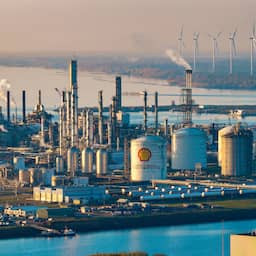
Russia has decided to extend its ban on diesel exports, originally set to expire on October 31, to prevent domestic fuel shortages. The Kremlin remains cautious despite a recent recovery in refinery production, which increased by 25 percent in late October following a decrease in drone attacks. These attacks earlier in the year had forced the government to restrict fuel exports after domestic supplies tightened significantly. In a recent diplomatic development, Russia and the United States reached an agreement for the supply of diesel following discussions between President Vladimir Putin and Donald Trump.
To manage the surplus, the Russian government is introducing exemptions to the export ban. Quotas for permitted exports are set to increase from 0.5 million tons in October to 2 million tons in November. The government is expected to expand the list of authorized companies soon, and officials are prepared to raise limits further if necessary. Russia needs to export diesel because its production capacity typically exceeds domestic demand by 40 percent, risking a market glut without international sales.
Based on reporting by nu. Translated and condensed by LocalHeadlines.