ad

Another headache for the beleaguered cabinet: advisor slams box 3 plan
Another headache for the beleaguered cabinet: advisor slams box 3 plan

The Dutch government's plan to reform the box 3 wealth tax has been criticized by the Council of State, which labels the proposal unfeasible and lacking a clear financial basis. The Council recommends delaying the implementation until 2030 to address operational concerns and ensure a more solid system, complicating the government's efforts to reach a political agreement.

The Dutch government is facing significant pressure following a critical advisory report from the Council of State regarding proposed changes to the box 3 wealth tax. The cabinet intends to shift to a capital gains tax system, but the Council warns that the plan is currently unfeasible, lacking a clear financial foundation, and creates unnecessary complexity. Furthermore, the Dutch tax authority has indicated that it lacks the operational capacity to implement these changes, advising that the proposal should not be submitted to the House of Representatives in its current form.

The Council of State suggests delaying the transition until 2030 to ensure a robust and equitable system, noting that the proposed phased implementation creates unjustified distinctions between different asset types. This recommendation complicates ongoing political negotiations, as key coalition parties like the VVD have pushed for a rapid transition to a capital gains tax. As the government struggles to secure opposition support for its tax plans, the criticism from its own advisory body adds substantial uncertainty to the legislative process.

Based on reporting by ad. Translated and condensed by LocalHeadlines.

Related articles

Dutch people in Silicon Valley also feel impact of Donald Trump’s policies: 'Tariffs are very chaotic'

Dutch people in Silicon Valley also feel impact of Donald Trump’s policies: 'Tariffs are very chaotic'

Dutch expatriates working in Silicon Valley have expressed concerns regarding the unpredictable policies of Donald Trump, citing chaotic trade tariffs and sudden budget freezes. As the midterm elections approach, these professionals continue to navigate the professional challenges posed by the current administration's political climate.

Council of State criticizes cabinet's Box 3 plan and advises postponement

Council of State criticizes cabinet's Box 3 plan and advises postponement

The Dutch Council of State has issued a critical warning regarding the government's box 3 tax reform proposal, advising against its submission in the current state due to implementation risks and unrealistic timelines. The council suggests delaying the planned 2028 implementation, while the government works to address concerns regarding the feasibility and the financial coverage of the reforms.

Cabinet and opposition head for a showdown: tax chaos looms

Cabinet and opposition head for a showdown: tax chaos looms

The Dutch government and the opposition are currently deadlocked over new tax regulations, creating a significant risk of chaos within the tax authorities. Both sides are refusing to compromise, waiting for the other to yield as the deadline approaches.

Stricter rules for holiday rentals to tackle nuisance in residential areas

Stricter rules for holiday rentals to tackle nuisance in residential areas

New Dutch regulations taking effect November 1 require all vacation rental hosts to use a unique registration number and mandate that booking platforms share data with the government. This system is designed to help municipalities combat neighborhood nuisance and better monitor the impact of short-term rentals on the housing market.

Free public transport would cost hundreds of millions: "Furthermore, GVB cannot handle it"

Free public transport would cost hundreds of millions: "Furthermore, GVB cannot handle it"

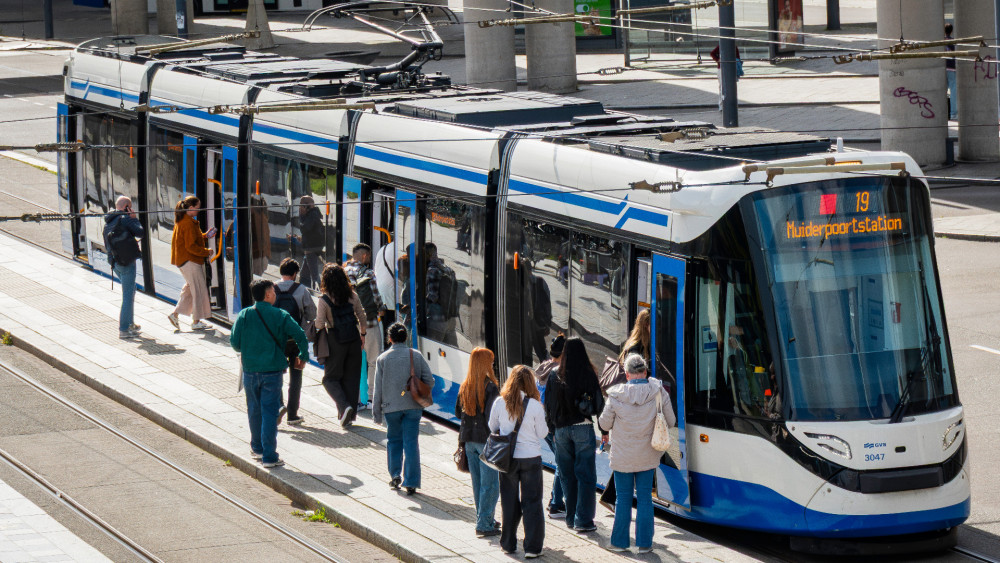
Making public transport free in Amsterdam would cost an estimated 175 to 250 million euros annually, according to the city's executive board. The municipal government opposes the proposal from BIJ1 and the SP, citing budget constraints, potential capacity issues for the GVB, and concerns about decreased cycling and walking.