nu

Charles abhors history of slavery, apologies remain absent
Charles abhors history of slavery, apologies remain absent

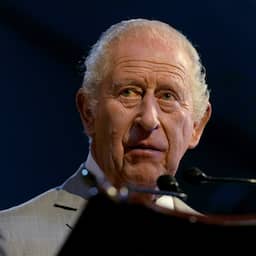
King Charles III has expressed deep personal sorrow regarding the history of the transatlantic slave trade, though he stopped short of issuing a formal state apology. Instead, he advocated for addressing historical injustices through education, economic development, and cooperation within the Commonwealth.

King Charles III recently expressed his profound regret and sorrow regarding the transatlantic slave trade, describing it as a shameful chapter in history. During his remarks, the monarch emphasized that while the actions of past predecessors cannot be reversed, society must learn from this historical trauma. He highlighted that the legacy of slavery continues to impact the Caribbean and other Commonwealth nations today, suggesting that focus should be placed on education, employment, trade, and climate resilience to address these lingering inequalities rather than formal financial reparations. Buckingham Palace noted that the King would address the topic with genuine emotion but would not intervene in British government policy.

This international discourse on historical accountability contrasts with the approach taken by King Willem-Alexander in the Netherlands. On July 1, 2023, during the national commemoration of the slavery past, the Dutch monarch issued a formal apology for the role the Netherlands played in the slave trade. He further sought forgiveness for the failure of his ancestors from the House of Orange-Nassau to take a stand against the systemic practice at the time.

Based on reporting by nu. Translated and condensed by LocalHeadlines.

Related articles

Light show returns to Dam Square on New Year's Eve, 'grim atmosphere has been turned around'

Light show returns to Dam Square on New Year's Eve, 'grim atmosphere has been turned around'

Amsterdam will again host a light and music show on the Dam this New Year's Eve to promote a festive atmosphere, as part of a city-wide effort to create new traditions amid a national ban on consumer fireworks. While the mayor praised the shift toward safer celebrations, she remains focused on managing potential illegal firework activity and resolving community tensions in neighborhoods like Floradorp.

No extra punishment for plank assault at UvA protest, perpetrator must pay damages

No extra punishment for plank assault at UvA protest, perpetrator must pay damages

A pro-Palestinian demonstrator who struck two people with a plank during a 2024 protest at the University of Amsterdam has been ordered to pay over 2,000 euros in damages. The court convicted him of attempted aggravated assault but decided against further prison time or community service, citing the 36 days he already spent in custody.

How abortion suddenly became a political flashpoint again: the American culture war is spreading to the Netherlands

How abortion suddenly became a political flashpoint again: the American culture war is spreading to the Netherlands

The debate over abortion access has resurfaced as a significant political issue in the Netherlands due to a new pilot program in several hospitals. This controversy has intensified internal cabinet tensions and highlights the influence of American-style cultural debates on Dutch politics.

Journalist Evan Gershkovich, who was imprisoned in Russia, gives the Derk Sauer Lecture: watch the livestream here

Journalist Evan Gershkovich, who was imprisoned in Russia, gives the Derk Sauer Lecture: watch the livestream here

Journalist Evan Gershkovich will deliver the first Derk Sauer Lecture at the debate center De Balie in Amsterdam to discuss press freedom and his time imprisoned in Russia. The annual event honors the late Derk Sauer, a prominent journalist and former mentor to Gershkovich.

Vocational workers feel left behind: 'Living in a different reality'

Vocational workers feel left behind: 'Living in a different reality'

Research from the SCP reveals that many practically educated Dutch citizens feel socially and politically disadvantaged compared to university graduates. This group, often feeling disconnected from policymakers, advocates for better representation and recognition to address growing frustrations over economic and cultural issues.