Sleeping in doorways remains punishable to protect livability
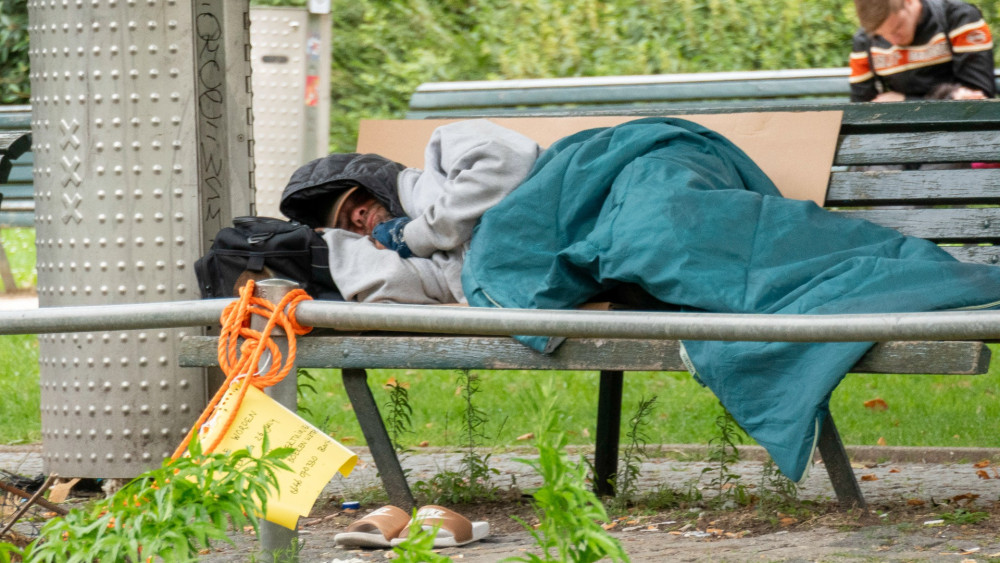
Amsterdam has implemented a new policy framework clarifying that while sleeping in public is no longer automatically illegal, obstructing building entrances or causing nuisance remains punishable. The city aims to balance public accessibility with humanitarian aid by requiring officers to prioritize support services and carefully document any enforcement actions.
The Amsterdam municipality has established a new operational framework to guide law enforcement in handling public sleeping. While simply sleeping on the street is no longer inherently punishable as of June 2, 2025, authorities will continue to penalize individuals who block building entrances or cause direct nuisance. Officers are instructed to document evidence of such disturbances, including photos and detailed reports, before issuing fines. Enforcement agents must also prioritize connecting homeless individuals with support services and shelters rather than immediately resorting to punitive measures.
Sleeping in tents or vehicles remains prohibited, though enforcement is suspended between 10:00 PM and 7:00 AM unless specific complaints arise. The city is working to streamline the removal process for unauthorized structures like tents, aiming to reduce procedural timelines to 2.5 weeks. Additionally, if an individual refuses to leave an area causing an obstruction, police maintain the authority to issue a 24-hour ban. The policy emphasizes balancing public order and accessibility with humanitarian assistance for those sleeping rough.
Based on reporting by rss. Translated and condensed by LocalHeadlines.