More surveillance after incidents, but is it effective or just for show?
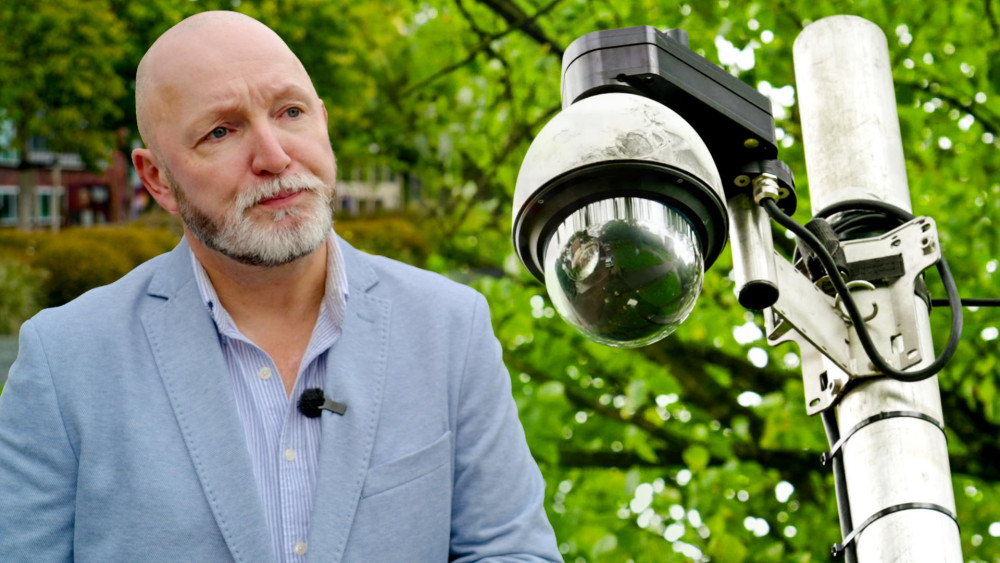
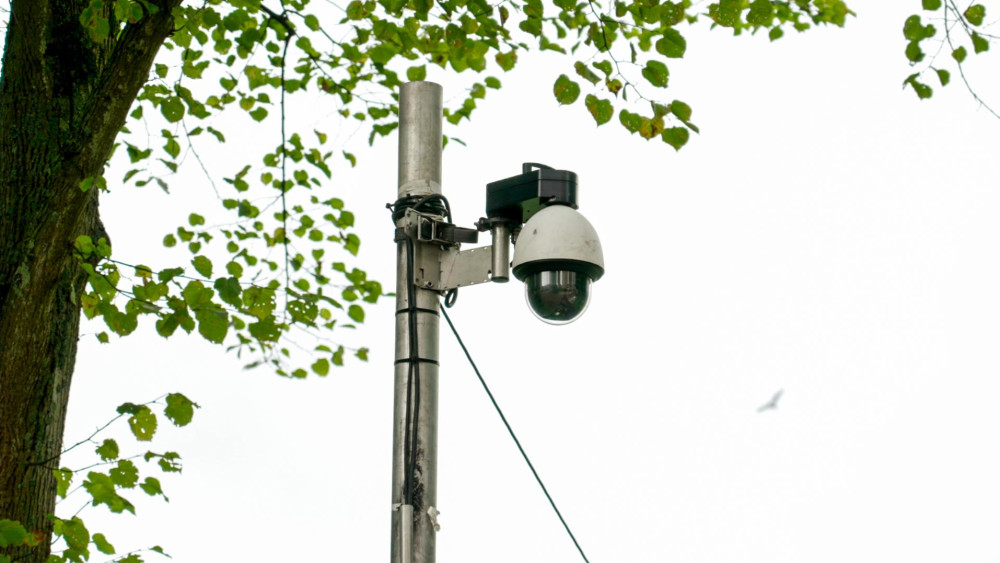
Amsterdam is using temporary camera surveillance with increasing frequency to combat a wave of explosions and violent incidents in the city. While the municipality argues the measure helps deter crime and reassures residents, experts and privacy advocates debate its true effectiveness and impact on public privacy.
In Amsterdam, the use of temporary camera surveillance has significantly increased as the municipality responds to a series of violent incidents, particularly explosions. Over the past five years, 249 such surveillance orders were issued, with more than 85 percent of these decisions occurring since 2024. This rise is partly due to an updated policy that allows cameras to be installed after a single high-impact incident, rather than requiring multiple disturbances. The city aims to deter further violence, assist in investigations, and reassure local residents, who are often deeply affected by nearby explosions.
However, experts and privacy advocates question the actual effectiveness of these cameras in preventing crime. While police note that footage can help reconstruct events and identify suspects, critics argue that cameras are often deployed more for public perception than for tangible crime reduction. With surveillance becoming increasingly common, concerns about the normalization of constant monitoring are growing. Furthermore, in some instances, even the presence of cameras has not deterred additional violence, leading to repeated extensions of surveillance orders in affected neighborhoods.
Based on reporting by rss. Translated and condensed by LocalHeadlines.