nu

Austrians find a natural partner in the beaver in the fight against drought
Austrians find a natural partner in the beaver in the fight against drought

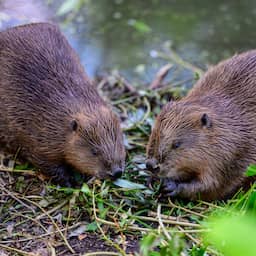
In Linz, Austria, volunteers are using imitation beaver dams to restore water levels and biodiversity in a stream affected by severe drought. Research suggests that the presence of beavers, who are making a comeback across Europe including in the Netherlands, provides crucial ecological benefits by retaining water and sequestering carbon.

In the Austrian city of Linz, the Haselbach stream has suffered from severe drought, remaining dry for thirteen weeks. To combat this, sound designer Fabian Holzinger and multimedia artist Franziska Thurner have constructed imitation beaver dams to retain water. Their efforts have successfully transformed sections of the stream into vibrant biodiversity hotspots, attracting various species such as dragonflies, butterflies, and kingfishers. The project relies on low-tech methods, including placing mud and branches in the water, a practice that mimics the natural behavior of beavers currently returning to habitats across Europe, including the Netherlands.

Expert research from Wageningen University supports the value of these animals, noting that beaver dams create essential refuges during droughts and help sequester significant amounts of CO2. While some farmers remain wary of potential flooding or tunnel damage, researchers emphasize that working with these creatures can mitigate the effects of climate change. Despite the success of the Linz initiative, the local government has cut funding, leaving the future of these man-made ecological structures uncertain.

Based on reporting by nu. Translated and condensed by LocalHeadlines.
Related articles

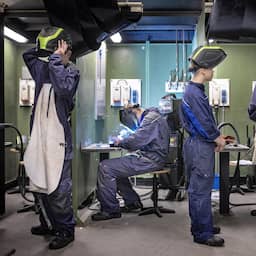
Vocational workers feel left behind: 'Living in a different reality'

Vocational workers feel left behind: 'Living in a different reality'

Research from the SCP reveals that many practically educated Dutch citizens feel socially and politically disadvantaged compared to university graduates. This group, often feeling disconnected from policymakers, advocates for better representation and recognition to address growing frustrations over economic and cultural issues.

Wolves target cattle, vets sound alarm: ‘Ensure management’

Wolves target cattle, vets sound alarm: ‘Ensure management’

Wolf attacks on cattle in the province of Drenthe have surged dramatically, with 60 incidents reported this year alone compared to only seven in 2022. Local veterinarians and farmers are calling for urgent population management, as traditional grazing practices are increasingly threatened by this evolving predatory behavior.

Pilots go to work despite fatigue and sometimes take naps during flights

Pilots go to work despite fatigue and sometimes take naps during flights

A survey by the European Cockpit Association reveals that many pilots continue to work while exhausted due to fear of repercussions from employers. Three-quarters of the participants reported falling asleep while in the cockpit during the month leading up to the study.

Screen time | AI clones, generating podcasts: how human does journalism remain?

Screen time | AI clones, generating podcasts: how human does journalism remain?

The integration of AI into journalism is raising significant questions about the future of the profession, as media organizations experiment with AI-cloned presenters and automated content production. While some view these tools as efficient aids for data analysis and editing, critics caution against the risks of misinformation, job loss, and the loss of human nuance in reporting.

Mohamed (34) managed to leave Gaza and now lives in Amsterdam city center: ‘I saw the elephant at Artis and burst into tears’

Mohamed (34) managed to leave Gaza and now lives in Amsterdam city center: ‘I saw the elephant at Artis and burst into tears’

Mohamed Yaghi, a 34-year-old former sound engineer, has relocated to Amsterdam with his family after fleeing the conflict in Gaza. Although he is now safe in the Netherlands, he struggles with the psychological trauma of the war and the difficulty of adjusting to his new life.