ad

Water board tax to rise again: households to pay tens of euros more in 2027
Water board tax to rise again: households to pay tens of euros more in 2027

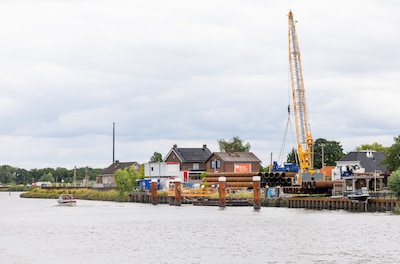
Water authority taxes across the Netherlands are set to increase in 2027, with families in owner-occupied homes facing a rise of around 35 euros and renters seeing an average increase of 7 percent. The rising costs are attributed to the need for greater investment in flood defenses, water purification, and protection against extreme weather and cyber threats.

Water authority taxes in the Netherlands are set to rise again in 2027, impacting households, farmers, and nature managers across the country. Renters face an average increase of 7 percent, while families owning homes with an average valuation of 370,000 euros will see their bills climb by approximately 35 euros, reaching about 535 euros. The final tax rates are being determined by the 21 regional water boards, with official notifications expected by March 1.

The persistent increase in costs is driven by the need to combat extreme weather conditions, including periods of severe drought and heavy rainfall. According to the Association of Water Authorities, significant investments are required to maintain flood defenses, ensure clean water purification, and protect infrastructure against modern threats like cyberattacks and power outages. Consequently, the total tax revenue collected by water boards has surged from 3.1 billion euros in 2021 to over 4.6 billion euros, reflecting the rising financial burden of securing water safety in a changing climate.

Based on reporting by ad. Translated and condensed by LocalHeadlines.
Related articles

Electricity storage capacity must be fifty times greater by the end of 2040

Electricity storage capacity must be fifty times greater by the end of 2040

The Dutch government aims to increase national energy storage capacity fiftyfold by 2040 to alleviate severe grid congestion affecting housing and sustainable infrastructure. New measures include streamlining permitting processes and prioritizing essential social projects as grid operators face widespread waiting lists.

Last year's good harvests translate into cheaper groceries

Last year's good harvests translate into cheaper groceries

Food prices in the Netherlands saw a decline during late 2025 due to strong agricultural harvests and lower energy costs. While prices for staples like butter and milk dropped, recent data shows a minor monthly increase that may signal a shift in future inflationary trends.

Assen and an entirely new village: minister designates final large construction sites

Assen and an entirely new village: minister designates final large construction sites

The Dutch government has designated five additional large-scale sites, including a new village named Cortelande, to complete a list of 31 key residential development areas across the country. These projects are intended to help the government reach its goal of constructing 100,000 homes annually to combat the persistent national housing shortage.

Roadside assistance on strike Monday: those not in immediate danger must be patient

Roadside assistance on strike Monday: those not in immediate danger must be patient

ANWB employees are holding a twelve-hour strike after collective bargaining negotiations over wages and working conditions failed. A court has ruled the strike legal but ordered a minimum service level to ensure that emergency roadside assistance remains available for dangerous traffic situations.

A day on the slopes in Austria: 254 euros per day for Dutch visitors

A day on the slopes in Austria: 254 euros per day for Dutch visitors

Dutch tourists are spending a record 254 euros per day on their Austrian ski holidays, totaling an expected 1.7 billion euros in seasonal expenditures. Despite significant price hikes, over 1.3 million Dutch visitors are expected to travel to Austria, with many opting for shorter stays or last-minute bookings to manage costs.