nu

Ministry fails to protect animal welfare in meat sector: 'Focus is on money'

Ministry fails to protect animal welfare in meat sector: 'Focus is on money'

An independent advisory committee has concluded that the Dutch ministry fails to sufficiently protect animal welfare in the meat industry, citing a prioritize of profit over standards. State Secretary Silvio Erkens has committed to launching an improvement program for the entire supply chain following calls for stricter regulations and increased accountability for slaughterhouses.

An advisory committee commissioned by the ministry has concluded that animal welfare in the Dutch meat sector is currently inadequately protected. The report indicates that existing regulations are often ambiguous or insufficient, allowing welfare issues to persist even when businesses technically remain within the bounds of the law. Financial incentives often take precedence over animal well-being, placing significant pressure on farmers who may otherwise wish to provide better care for their livestock. The committee further criticized the ministry for its lack of decisive action and for placing too much responsibility on the sector itself, noting that welfare protections lag significantly behind standards for food safety and animal health.

In response to these findings, the committee has recommended the introduction of stricter, more enforceable rules and suggested that slaughterhouses be held legally liable for serious welfare violations. State Secretary for Agriculture, Silvio Erkens, has acknowledged the necessity for improvement. He has announced plans to develop a comprehensive improvement program covering the entire meat supply chain to ensure better oversight and accountability from farms to processing facilities.

Based on reporting by nu. Translated and condensed by LocalHeadlines.

Related articles

Letter from entrepreneurs to municipality on tourist tax hike: "Many negative consequences"

Letter from entrepreneurs to municipality on tourist tax hike: "Many negative consequences"

Business leaders in Amsterdam are urging the city council to pause and reconsider a planned hike in tourist tax that could reach 20 percent by 2031. They warn that the combined effect of this tax and a national VAT increase will place a 41 percent burden on hotel stays, threatening the viability of the city's hospitality and events sectors.

Assen and an entirely new village: minister designates final large construction sites

Assen and an entirely new village: minister designates final large construction sites

The Dutch government has designated five additional large-scale sites, including a new village named Cortelande, to complete a list of 31 key residential development areas across the country. These projects are intended to help the government reach its goal of constructing 100,000 homes annually to combat the persistent national housing shortage.

Port of Amsterdam applies for permits for eight wind turbines

Port of Amsterdam applies for permits for eight wind turbines

The Port of Amsterdam has applied for permits to install eight 200-meter-tall wind turbines in the Western Port area to increase regional renewable energy production. The Province of North Holland will now review the applications, though approval is not guaranteed given recent regional political conflicts over wind energy projects.

Judge blocks higher municipal tax for canal cruise passengers

Judge blocks higher municipal tax for canal cruise passengers

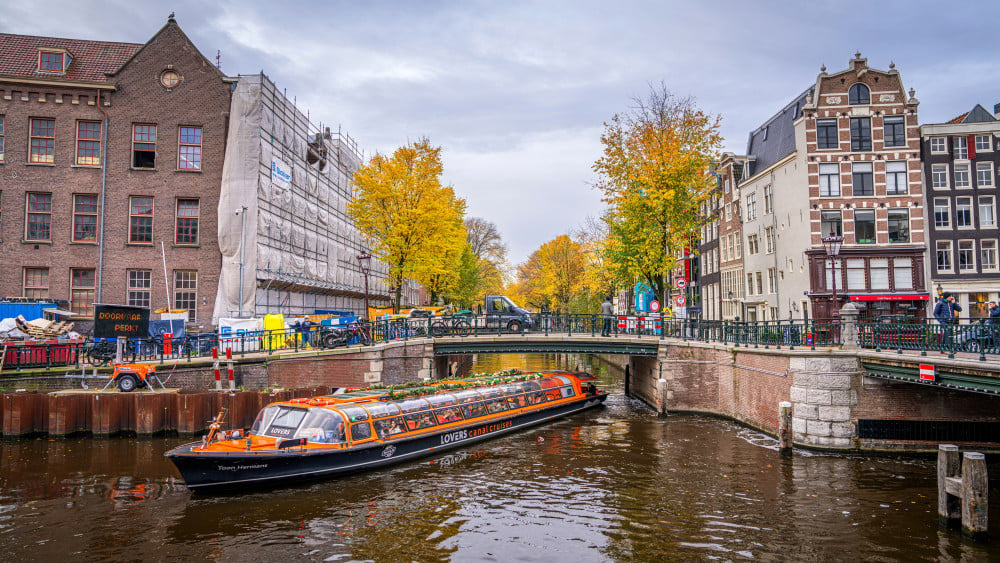
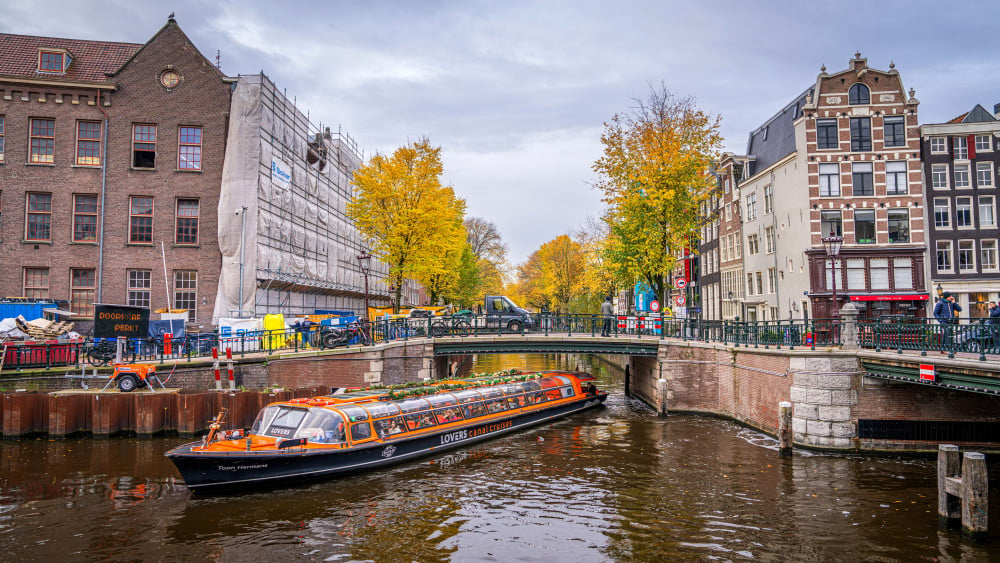
A court has ruled that the city of Amsterdam cannot increase the passenger tax for canal cruise boats to 2.50 euros, reinstating the former rate of 1.50 euros. The judge found that the proposed hike was unlawful because the city failed to justify the fee with direct benefits to the cruise operators and attempted to fund unrelated public programs.

Judge blocks higher municipal tax for canal cruise passengers

Judge blocks higher municipal tax for canal cruise passengers

A court has ruled that Amsterdam acted unlawfully in raising the passenger levy for canal cruise boats to 2.50 euros, ordering the rate to return to 1.50 euros. The judge found that the city failed to justify the increase, as the revenue was intended to fund unrelated social programs rather than nautical services.