More drug consumption rooms, extra shelters and a tougher approach: how the city council wants to tackle drug nuisance
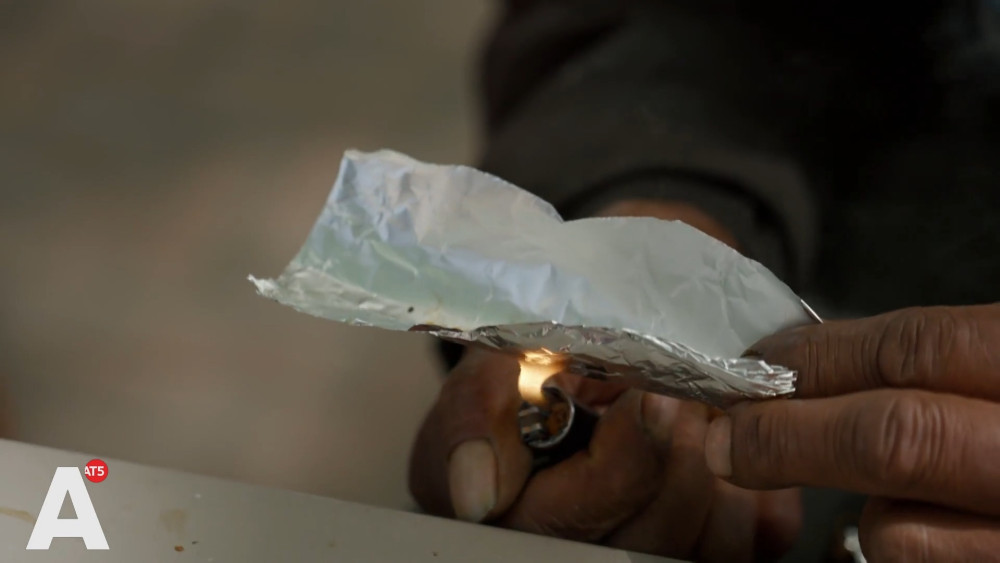
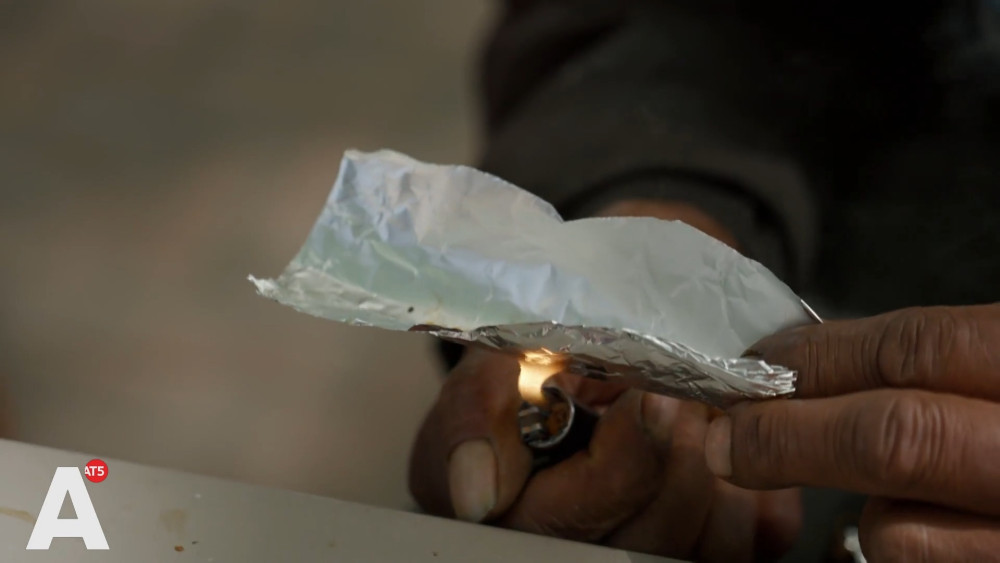
Amsterdam is launching a six million euro initiative to reduce drug-related public nuisance by increasing the number of supervised consumption spaces and emergency shelter beds. The plan also focuses on a stricter enforcement strategy for repeat offenders and considers repatriating non-resident drug users to their home countries.
The Amsterdam city government has unveiled a six million euro plan to combat rising drug-related public nuisance. Key initiatives include the creation of additional shelters and supervised consumption spaces, particularly focusing on the Oosterpark area and the H-buurt. Officials are currently evaluating whether to establish one or two new consumption facilities near Oosterpark to alleviate pressure on local livability and address ongoing concerns from residents and business owners.
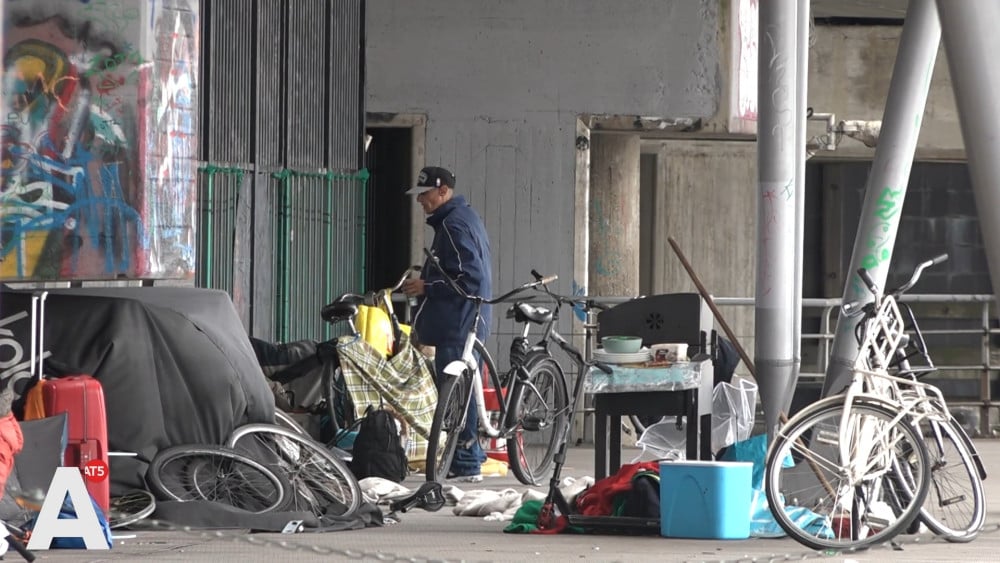
Beyond infrastructure, the city plans to implement a stricter approach toward repeat offenders by improving coordination between agencies such as the GGD and the local nuisance task force. The strategy also includes a significant expansion of emergency winter shelter capacity, with 274 additional beds, and the potential conversion of these facilities into permanent housing. Furthermore, the city is exploring the repatriation of certain drug users from EU countries who may receive better specialized care in their home nations. A formal update on the progress of these comprehensive measures is expected in March 2027.
Based on reporting by rss. Translated and condensed by LocalHeadlines.