nu

German government to fill extra gas reserves for emergencies
German government to fill extra gas reserves for emergencies

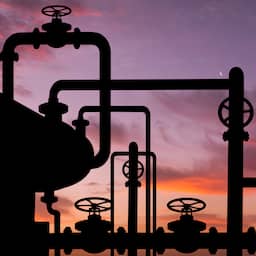
The German government is creating a 24 terawatt-hour strategic gas reserve to protect against future supply disruptions, funded by a small surcharge on household utility bills. While Germany continues to secure its energy needs through alternative imports, the broader European gas reserves remain at their lowest level in ten years.

The German government is initiating a plan to establish an emergency state gas reserve equivalent to 10 percent of its current storage capacity, amounting to 24 terawatt-hours. This strategic stockpile is intended to provide security during severe supply disruptions, such as incidents of sabotage. To finance this initiative, the government plans to implement a surcharge on household gas bills, expected to increase costs by approximately 0.3 to 0.5 percent, totaling between 1.3 and 1.8 billion euros.

While private sector firms remain responsible for regular gas storage, recent performance has faced political criticism for falling short of established targets. Meanwhile, Germany has successfully offset the loss of Russian gas supplies through imports of liquefied natural gas via terminals and increased pipeline deliveries from Norway. National authorities are also considering stricter market regulations, including potential mandates for seasonal gas storage. Across the broader European region, gas reserves have reached their lowest levels in a decade, with underground storage facilities in the Netherlands currently at 63.5 percent capacity.

Based on reporting by nu. Translated and condensed by LocalHeadlines.
Related articles

Netherlands should pay 635 euros per household for climate finance: how does that work?

Netherlands should pay 635 euros per household for climate finance: how does that work?

The Netherlands may require an annual contribution of 635 euros per household to meet international climate finance commitments under the Paris Agreement. Covering full climate requirements could cost thousands per household, leading to debates on whether to implement taxes on the wealthy or pass the costs to average citizens.

Agreement with Germany: more and faster trains between Amsterdam and Berlin, Hamburg and Frankfurt

Agreement with Germany: more and faster trains between Amsterdam and Berlin, Hamburg and Frankfurt

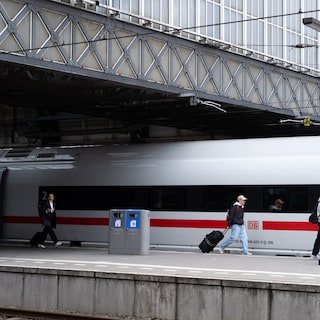
Dutch State Secretary Annet Bertram and German Transport Minister Steffen Bilger have agreed to improve rail connections between Amsterdam and various German cities. The plan focuses on increasing train frequency, reducing travel times, and expediting the connection of the Betuweroute freight line to the German rail network.

UK wants to ban Vinted and eBay for children under sixteen

UK wants to ban Vinted and eBay for children under sixteen

The United Kingdom government is exploring a potential ban on children under sixteen using e-commerce platforms like Vinted and eBay to prevent them from interacting with potentially harmful strangers. The proposed regulations aim to secure chat functions, though industry groups warn that such restrictions might be overly broad and disrupt legitimate family communication.

France says Iran was behind cyberattacks on supermarket freezers

France says Iran was behind cyberattacks on supermarket freezers

French authorities have identified the Iranian Revolutionary Guard as the perpetrator behind cyberattacks that sabotaged refrigeration systems in supermarkets across France. While major retailers in the Netherlands were spared, smaller local shops were affected alongside businesses in several other European nations.

Climate summit kicks off in Turkey after a year of climate disasters and political tensions

Climate summit kicks off in Turkey after a year of climate disasters and political tensions

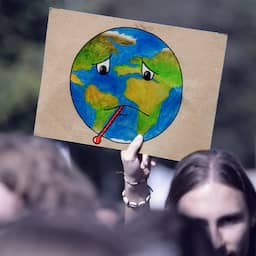
The UN climate summit in Turkey has begun with a focus on implementing existing climate commitments rather than establishing new ones following a year of intense environmental disasters. Discussions will prioritize the transition to green energy and financial support for developing nations despite geopolitical friction and resistance from major fossil fuel producers.