Amsterdam wants to increase tourist tax: what are the consequences and is it wise?
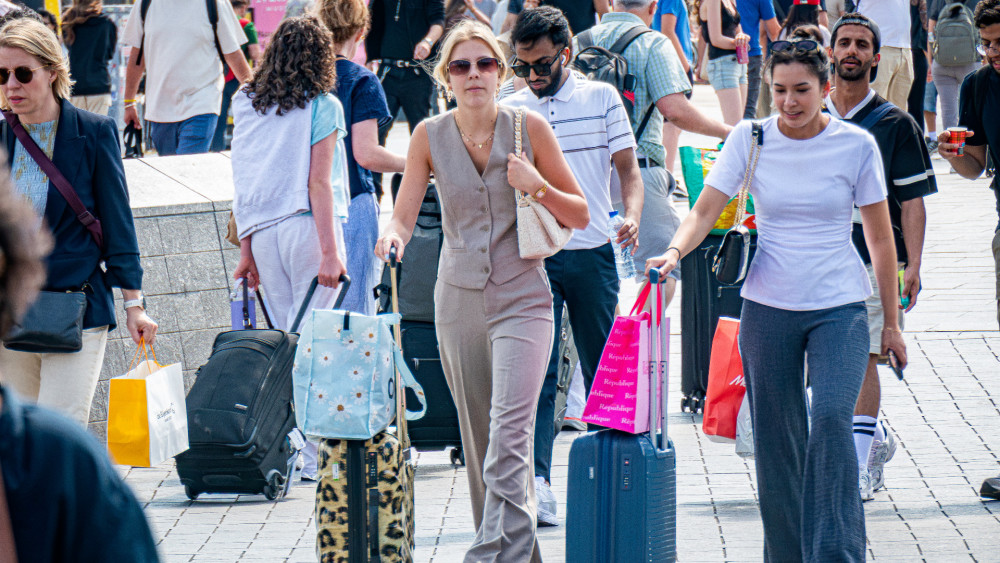
The Amsterdam city council is considering raising its tourist tax to 20 percent by 2031 to curb the city's ongoing overtourism issues and improve local livability. The proposal has drawn criticism from industry experts and political opponents, who argue that the tax will harm businesses and fail to effectively manage visitor numbers.
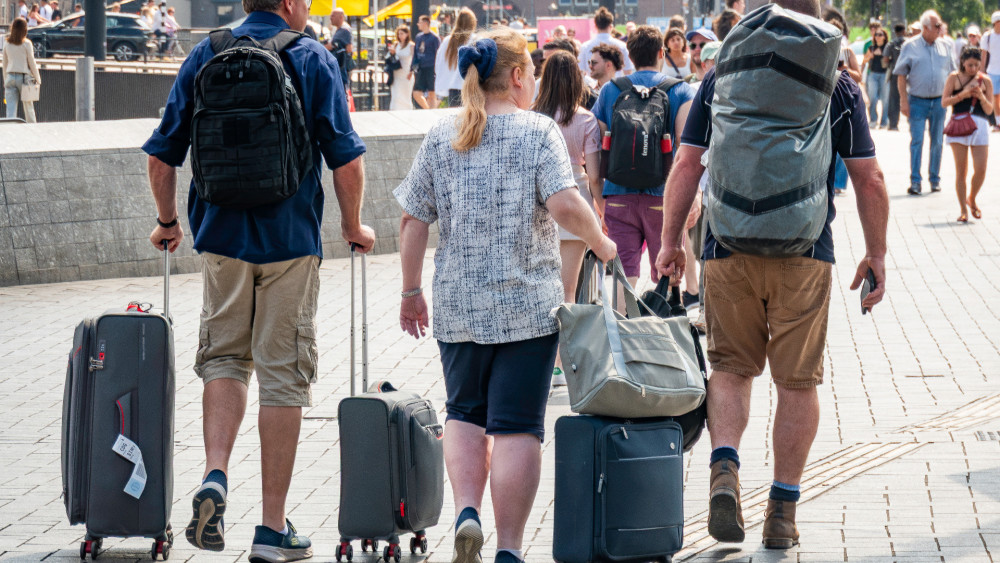
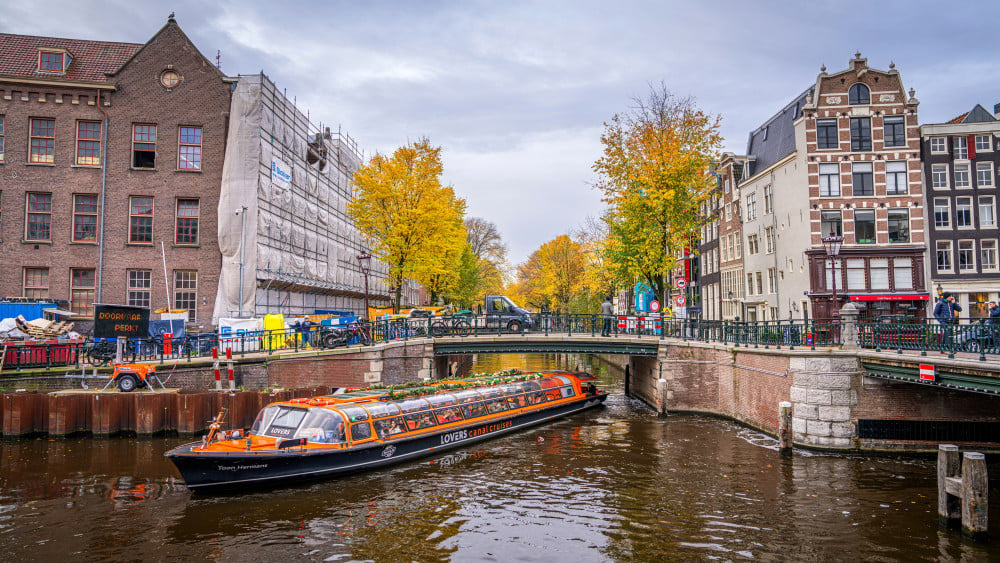
The Amsterdam city council is debating a significant increase in the tourist tax, which the governing coalition aims to raise to 20 percent by 2031. This move would nearly double the current rate of 12.5 percent, which is already the highest in Europe. The proposal is intended to manage overtourism, as the city struggles with overcrowding, rising costs, and a reduced housing supply due to short-term rentals. While the city faces continued growth in overnight visitors, projected to reach millions more in the coming years, officials argue that these measures are vital for maintaining the livability of local neighborhoods.
However, the plan faces stiff opposition from political rivals and the tourism industry. Critics, including tourism professor Jan van den Borg, argue that taxing overnight guests is ineffective and risks driving away high-value business travelers while doing nothing to deter day-trippers. Industry representatives warn that the tax hike will not reduce visitor numbers but will instead negatively impact museums and local businesses, suggesting that alternative strategies, such as reservation systems, would be more effective.
Based on reporting by rss. Translated and condensed by LocalHeadlines.