German solar power production hits record level
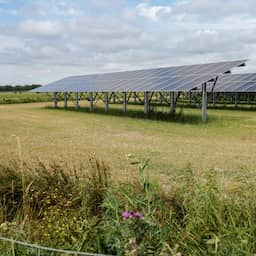
Germany has reached a record 90.2 terawatt-hours of solar power production, with projections suggesting the country will surpass 100 terawatt-hours by the end of the year. This growth is part of a broader energy transition where renewable sources provided 59 percent of the nation's domestic electricity during the first half of 2024.
Germany has achieved a new milestone in renewable energy production, generating 90.2 terawatt-hours of solar power by the end of last month. This output puts the nation on track to exceed 100 terawatt-hours by the end of the year, a significant increase from the 2.2 terawatt-hours produced annually twenty years ago. To put the scale into perspective, this current solar production is nearly nine times the total annual electricity consumption of a city like Hamburg. During the first half of this year, renewable sources accounted for 59 percent of Germany's domestic electricity generation, with solar energy contributing approximately 18 percent. While wind remains the country's primary power source, solar energy now ranks fourth overall. Carsten Körnig of BSW-Solar highlighted the development as a crucial step in the energy transition. He noted that the growth in solar capacity benefits the public by lowering electricity costs, reducing dependency on energy imports, and helping to mitigate climate damage.
Based on reporting by nu. Translated and condensed by LocalHeadlines.