Amsterdam uproots 180 elm trees to determine optimal growing conditions
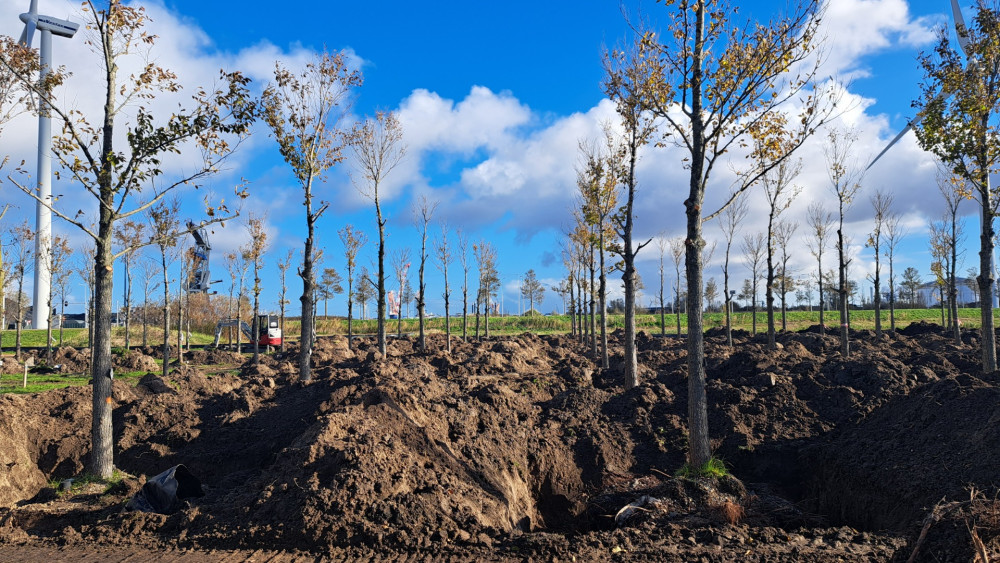
The municipality of Amsterdam has concluded a long-term study by removing 180 elm trees planted eight years ago in various soil mixtures at the Westelijk Havengebied. The project aims to identify the optimal growing conditions for urban trees to ensure a healthier, more resilient city forest capable of mitigating the effects of climate change.
Eight years ago, the municipality of Amsterdam planted 180 elm trees in the Westelijk Havengebied to conduct a long-term study on urban tree growth. These trees were set in twelve different soil mixtures, such as tree sand and stony compounds, to determine which environments best support elms in challenging city conditions. As the world's elm capital, Amsterdam faces issues like limited space and high urban temperatures, making the discovery of ideal growing conditions vital for climate change mitigation and natural cooling. City officials recently removed the trees to analyze their development and root structures.
The results showed significant variations in tree health, with some specimens thriving while others struggled significantly. According to alderman Lian Heinhuis, identifying the most effective soil types will allow the city to plant healthier, faster-growing trees that require less space and remain stable over time. The findings from this research project will guide future greening initiatives as the municipality aims to increase the number of trees across the city.
Based on reporting by rss. Translated and condensed by LocalHeadlines.