The Greenhouse | Would Wopke Hoekstra be more steadfast in the souvenir shop?

The climate summit in Antalya faces low expectations as European Commissioner Wopke Hoekstra adopts a pragmatic strategy that seems to concede on emissions goals before negotiations begin. Meanwhile, global climate efforts are hampered by significant funding shortages, leaving developing nations struggling to cope with the severe financial impacts of climate-related disasters.
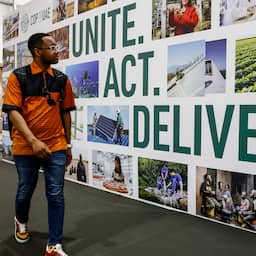
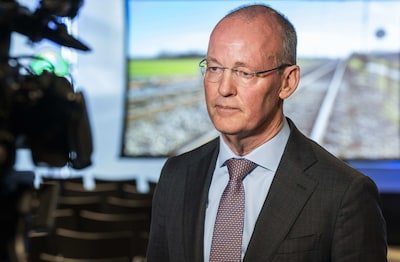
The climate summit in Antalya has drawn nearly 100,000 attendees, creating an atmosphere that feels more like a chaotic circus than a serious diplomatic negotiation. As global temperatures continue to rise past the 1.5-degree goal established by the Paris Agreement, the urgency for significant emissions reductions is higher than ever. However, expectations for the summit remain notably low. European Commissioner Wopke Hoekstra has already signaled a pragmatic approach, suggesting that switching to fossil fuel-based electricity is an acceptable step, a stance that effectively lowers EU ambitions before formal talks have even concluded.
Financial challenges also undermine the summit, as promised climate funding for developing nations remains insufficient. Despite the establishment of a climate damage fund, the resources available are vastly outweighed by the actual economic destruction caused by disasters, such as recent flooding in Nepal. While officials like Diana Acconcia defend the fund's existence, critics argue that without more aggressive financial commitments and stronger, more ambitious agreements from wealthy nations, the global response to the climate crisis will continue to fail.
Based on reporting by nu. Translated and condensed by LocalHeadlines.