Bangladesh clothing factories close due to wage strikes
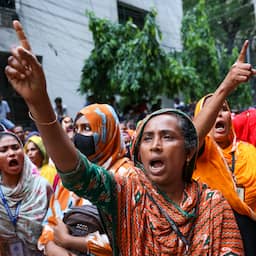
Garment workers in Bangladesh are striking to demand a minimum wage increase to 30,000 taka per month, citing the rising cost of living. The protests have caused numerous factory closures in major textile hubs, potentially disrupting operations for international fashion brands that rely on the country for production.
Garment workers in Bangladesh have staged widespread protests and strikes, demanding a significant increase in the monthly minimum wage to 30,000 taka. Demonstrations have led to the closure of hundreds of factories in key textile manufacturing regions such as Savar, Ashulia, and Gazipur, with many facilities suspending operations indefinitely. The unrest has resulted in road blockades and violent clashes between workers and authorities as employees express frustration over the rising costs of basic necessities like food and housing.
This industrial action poses a major challenge for the global fashion industry, as Bangladesh is the world's second-largest exporter of ready-made clothing. Major international retailers, including H&M, Primark, and ZARA, rely heavily on production in these regions and face potential supply chain disruptions if the strikes continue. While the government has initiated a review process for the minimum wage, workers are demanding immediate action rather than waiting for an official proposal expected later in November.
Based on reporting by nu. Translated and condensed by LocalHeadlines.