A new city between Amsterdam and Almere is a nice idea, but that is all there is to it
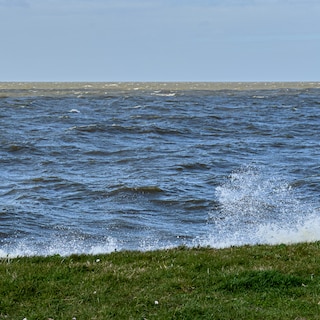
Independent research indicates that the proposed IJstad housing project in the Markermeer is financially and logistically unfeasible, with costs four times higher than building on land. The report concludes the project would harm environmental and water quality while failing to provide a timely solution to the housing crisis.
Independent research commissioned by the Dutch government has concluded that the proposed construction of IJstad, an artificial island in the Markermeer intended to host 60,000 homes, is not a viable solution for the national housing crisis. Originally proposed by D66 leader Rob Jetten to alleviate pressure in the Amsterdam region, the project faces massive financial hurdles, with costs estimated to be four times higher than building on land. Total public investment could reach nearly 18 billion euros, driven by extensive land reclamation, infrastructure requirements, and long-term maintenance needs. Researchers highlight that construction is not feasible in the short term, with initial housing deliveries estimated to take nearly thirty years.
Furthermore, the report emphasizes severe environmental risks, including significant negative impacts on water quality and a reduction in the country's freshwater buffer. Technical challenges regarding sand extraction, soil conditions, and insufficient existing public transport connections further complicate the plan. Unlike building on existing land, the logistical demands of an island project create permanent barriers, suggesting that such a development would not effectively address current housing shortages.
Based on reporting by parool. Translated and condensed by LocalHeadlines.