Climate summit expectations are low, but the president is aiming high
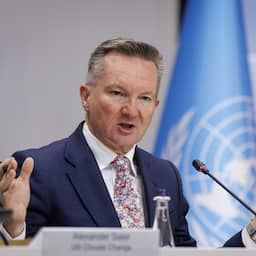
The president of the climate summit in Antalya has introduced an ambitious draft text that pushes for significant climate action and increased funding for developing nations. This bold approach aims to force consensus among 190 countries, though it challenges the red lines of major powers and risks substantial watering down during negotiations.
The president of the climate summit in Antalya has proposed an ambitious eighteen-page draft text that incorporates diverse demands from both developed and developing nations. The proposal includes calls for a rapid phase-out of fossil fuels and adherence to the 1.5-degree target, alongside requests for significantly increased climate funding for poorer nations. By presenting such a comprehensive and demanding document, the presidency aims to force concrete discussions among the more than 190 participating countries, despite the requirement for full consensus to finalize any agreements.
However, the draft challenges the established red lines of many nations, including oil-producing states resistant to fossil fuel restrictions and EU countries hesitant about aggressive emission reduction timelines or increased financial commitments. Observers are concerned that this bold strategy might lead to excessive compromises, potentially weakening the final outcome. While some view the proposal as a necessary catalyst for debate, others worry that political wrangling over the text will detract from substantive progress on key climate transition initiatives before the summit concludes.
Based on reporting by nu. Translated and condensed by LocalHeadlines.