nu

Screen time | Meta has caved and must now truly protect teenagers

Screen time | Meta has caved and must now truly protect teenagers

Meta has reached a 17 billion dollar settlement in a U.S. lawsuit concerning the addictive design of Instagram and Facebook. As part of the agreement, the company must implement mandatory safety features for teenage users, such as daily time limits and hidden like counts.

Meta has agreed to a 17 billion dollar settlement to resolve a major lawsuit in the United States regarding the addictive design of its social media platforms, Instagram and Facebook. Although the settlement amount represents only a fraction of the company's total market value, the agreement forces Meta to implement significant structural changes to protect younger users. These mandatory adjustments include a two-hour daily time limit for teenagers, an overnight block on notifications, and the automatic hiding of like counts. Additionally, the platforms will introduce mandatory fifteen-minute break prompts that users cannot disable. These measures aim to curb addictive behaviors that experts argue have negatively impacted teenage well-being. While Meta maintains it has always been committed to supporting youth, the legal pressure has effectively forced the company to overhaul features that were previously easy for users to ignore or bypass. European regulators are also monitoring the situation closely, as the European Commission continues to investigate whether the tech giant's design choices remain harmful to users within its jurisdiction.

Based on reporting by nu. Translated and condensed by LocalHeadlines.

Related articles

Screen time | Facebook film raises painful question: has anything changed at Meta?

Screen time | Facebook film raises painful question: has anything changed at Meta?

Meta continues to face criticism regarding privacy concerns with its wearable technology and its influence on societal polarization. The release of the film The Social Reckoning, based on whistleblower Frances Haugen's experiences, emphasizes that the company's algorithm-driven growth strategies often conflict with user welfare and require systemic cultural change.

Cunning criminals insert chip into gadget to plunder bank accounts: Coolblue and Bol take action

Cunning criminals insert chip into gadget to plunder bank accounts: Coolblue and Bol take action

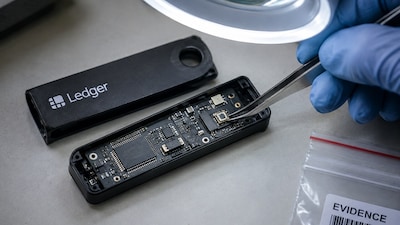
Dutch retailers such as Coolblue and Bol.com have suspended the sale of Ledger cryptowallets after criminals tampered with the devices by installing hidden chips to steal cryptocurrency. Although manufacturers confirm the tampering happened after production, retailers are taking precautionary measures to protect customers, even in the absence of local incident reports.

Albert Heijn parent company files police report following cyber incident: 'Malicious act'

Albert Heijn parent company files police report following cyber incident: 'Malicious act'

The parent company of the Dutch supermarket chain Albert Heijn has filed a formal police report following a cyber incident. The company has officially characterized the event as a malicious act.

Greenwheels and Check to collaborate and double fleet size

Greenwheels and Check to collaborate and double fleet size

Mobility company Pon is integrating its shared vehicle brands Greenwheels and Check to streamline user access and expand its fleet. The companies aim to double their total number of vehicles to twenty thousand by 2030 to encourage shared mobility and reduce reliance on private transport.

Not selling out is not a death blow for festival: 'But be careful not to price yourself out of the market'

Not selling out is not a death blow for festival: 'But be careful not to price yourself out of the market'

Festival organizations in the Netherlands faced a challenging summer marked by extreme weather, rising operational costs, and fluctuating ticket sales. Despite these significant hurdles, industry professionals remain optimistic due to the sector's inherent creativity and ability to adapt to difficult circumstances.