Halsema on homeless and drug problem: Mental healthcare tends to select for successful patients
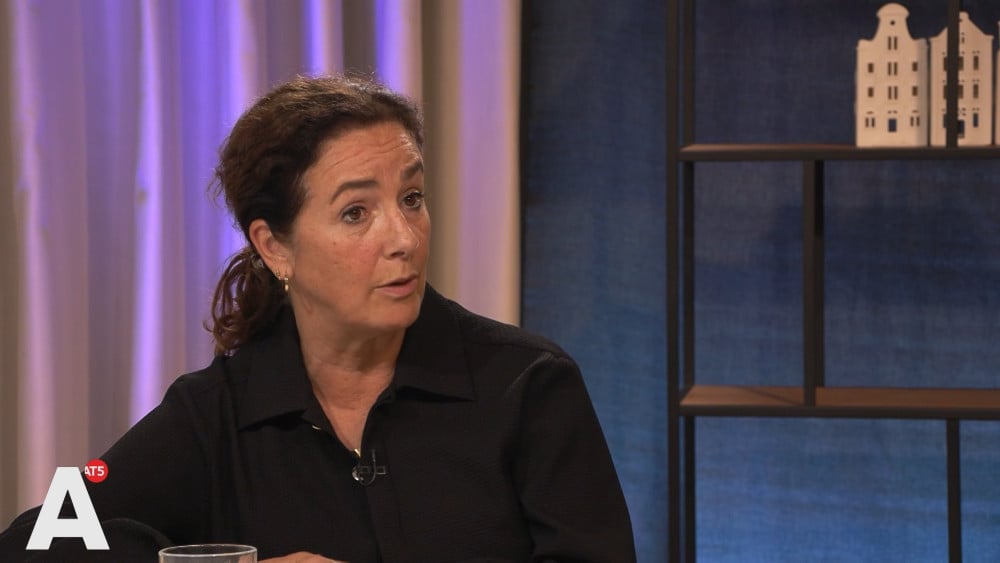
Amsterdam Mayor Femke Halsema argues that the current mental healthcare financing system incentivizes institutions to reject patients with complex issues like addiction, causing them to end up on the streets. She is calling on the national government to address these systematic failures, warning that further budget cuts would be irresponsible and exacerbate public safety issues.
Amsterdam Mayor Femke Halsema has criticized the current mental healthcare (GGZ) financing system, arguing that it incentivizes institutions to prioritize patients with higher chances of recovery. She asserts that this selection process leads to the exclusion of the most vulnerable individuals, specifically those with dual diagnoses involving addiction, who are frequently left without care. Consequently, many of these individuals end up on the streets, contributing to significant nuisance and public safety issues within the city.
With over 3,600 people causing public disturbances in Amsterdam, Halsema is calling for urgent political intervention from the national government. She specifically warned that proposed budget cuts to mental health services are irresponsible given the existing crisis. The mayor emphasizes that the current system fails both the vulnerable people who lack support and the residents who deal with the resulting insecurity. She urges the cabinet to re-evaluate the funding model to ensure that those struggling with severe psychiatric issues receive appropriate care rather than being forced into homelessness.
Based on reporting by rss. Translated and condensed by LocalHeadlines.