Growth of solar panels stalls: yields increasingly under pressure
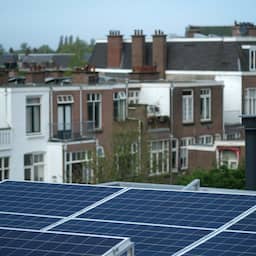
Solar panel growth in the Netherlands is slowing due to the upcoming removal of net-metering benefits and new fees charged by energy suppliers. Furthermore, grid congestion is hindering the development of new solar projects, leading officials to project a continued decline in the expansion of solar energy capacity.
The installation of new solar panels in the Netherlands has begun to slow down due to several economic and infrastructure challenges. A major factor is the upcoming termination of the net-metering scheme scheduled for January 1, 2027, which reduces the financial benefits for households feeding energy back into the grid. Additionally, energy suppliers are increasingly imposing charges on consumers for returning electricity, further dampening individual interest in adopting solar technology. Beyond household constraints, the nation's power grid is experiencing significant capacity issues, preventing new large-scale solar projects from securing necessary connections. Despite this cooling trend, the total capacity reached 29.4 gigawatt-peak by the end of last year, with solar power contributing nearly 20 percent of the total electricity generated in the country in 2025. The Netherlands Enterprise Agency (RVO) anticipates that this growth will continue to decelerate over the coming years as grid limitations and policy changes persist.
Based on reporting by nu. Translated and condensed by LocalHeadlines.