Wars increasingly put international shipping under pressure
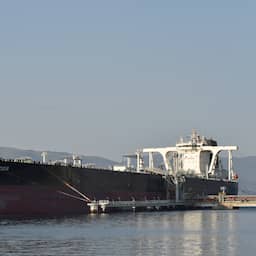
The Consultative Shipping Group has warned that geopolitical conflicts and the rise of an uninsured shadow fleet are threatening the stability of global maritime trade. Consequently, businesses are increasingly opting for air freight to circumvent the growing risks and disruptions affecting international shipping routes.
The Consultative Shipping Group, representing eighteen nations responsible for over one-fifth of global maritime trade, has expressed urgent concern regarding the stability of international shipping lanes. The group highlights that traditional principles of neutrality and free passage for commercial vessels are being increasingly undermined by geopolitical conflicts, with the Strait of Hormuz cited as a particularly vulnerable artery for energy transportation. These disruptions expose cargo ships to significant risks as maritime routes are leveraged for political pressure. Simultaneously, the industry faces challenges from a growing shadow fleet of over fifteen hundred tankers used to bypass sanctions on countries like Russia and Iran. Because these vessels often operate without proper insurance, they present substantial environmental and financial liabilities in the event of accidents. As global supply chains remain fragile, many businesses are shifting toward air freight to bypass maritime volatility. While significantly more expensive, air transport offers a reliable alternative that mitigates the weeks of uncertainty often associated with modern sea routes.
Based on reporting by nu. Translated and condensed by LocalHeadlines.