Drought causes significant drop in freight transport on Dutch rivers
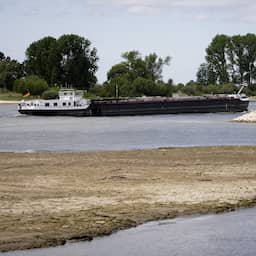
Historic low water levels in Dutch rivers during the summer caused a major decline in inland shipping, with cargo volumes dropping nearly 19 percent in August. The crisis particularly impacted international trade, as reduced vessel capacity led to significantly higher transport costs and logistical challenges.
Extreme drought throughout the summer caused record-low water levels in Dutch rivers, severely disrupting inland shipping logistics. According to data from the national statistics bureau, August saw a total of 21.8 million tons of goods transported, marking an 18.8 percent decline compared to the previous year and the lowest volume for the month in fifteen years. The Rhine, which recorded its lowest water levels ever at Lobith, was the most affected route, forcing vessels to carry significantly lighter loads to navigate safely.
While the total number of trips actually increased by 3.4 percent, the reduced capacity meant individual vessels carried far less cargo, often requiring multiple ships to move goods that would usually fit on one. This caused transport costs to skyrocket, leading some companies to postpone shipments. International trade routes between the Netherlands and abroad suffered the most significant impact, with trade volumes to and from Germany dropping by nearly 40 and 50 percent respectively, while domestic transport remained stable.
Based on reporting by nu. Translated and condensed by LocalHeadlines.