Province destroys fewer yellow-legged hornet nests, beekeeper fears consequences
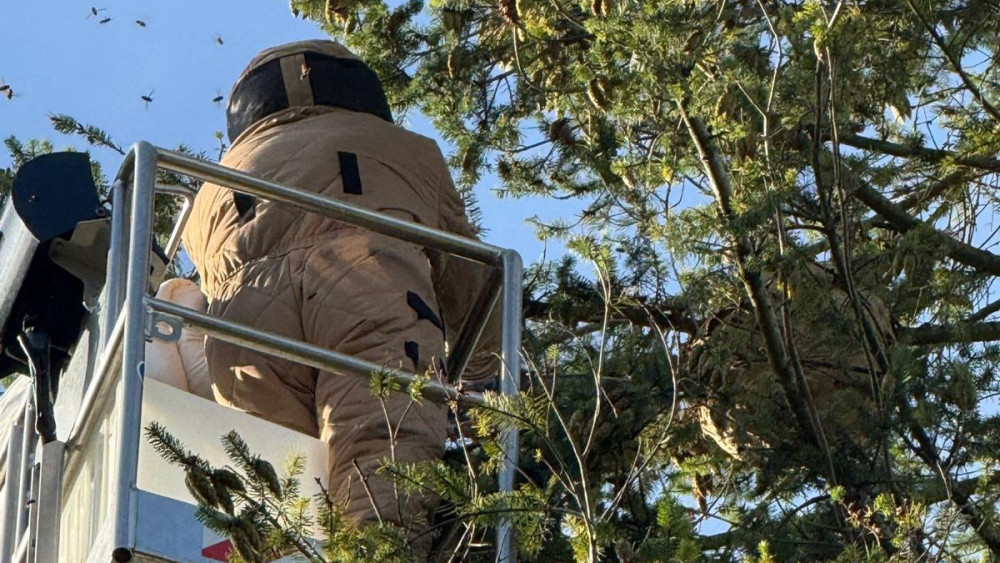
The province of Noord-Holland has stopped removing all yellow-legged hornet nests, opting only to clear those considered dangerous to the public or protected nature areas. Local beekeepers warn that this policy is inadequate and may lead to an unchecked rise in the population of the invasive species.
The province of Noord-Holland has updated its policy for 2024, mandating the removal of yellow-legged hornet nests only if they are deemed dangerous, such as those located near schools, playgrounds, or Natura 2000 sites. Beekeeper Jan Pieter van Wijngaarden warns that this approach is insufficient, noting that a single abandoned nest can lead to the creation of seven new ones the following season. He argues that the decision to leave non-threatening nests in place poses a long-term risk to both public safety and local biodiversity, as the insects consume significant amounts of local insect populations essential for pollination.
While some municipalities like Amsterdam continue to remove all reported nests, others, including Haarlem and Bloemendaal, have adopted the province's more restrictive guidelines. This discrepancy creates a fragmented effort in controlling the spread of the invasive species. The provincial authorities maintain that total eradication is no longer feasible, citing international experiences where intensive management failed to stop the population growth. Instead, they are prioritizing risk mitigation, though local experts fear this will lead to an uncontrollable increase in hornet colonies across the region.
Based on reporting by rss. Translated and condensed by LocalHeadlines.