nu

ProRail expects more than 520 malfunctions again this year
ProRail expects more than 520 malfunctions again this year

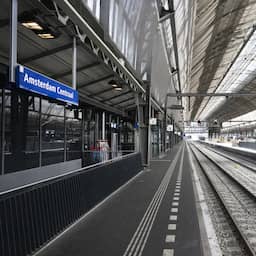
ProRail anticipates over 520 rail malfunctions this year, driven by higher train density and increasingly frequent extreme weather events. A projected 3.1 billion euro budget shortfall through 2040 is further complicating efforts to maintain essential infrastructure, forcing the organization to focus on preventive maintenance and cost-cutting measures.

ProRail has warned that the number of significant railway disruptions is rising, projecting over 520 incidents this year due to increased train traffic and more frequent extreme weather events. Recent occurrences, such as lightning strikes in June that paralyzed rail travel, highlight the vulnerability of the current system. To combat these issues, the organization emphasizes the necessity of prioritizing preventive maintenance, though implementation remains a challenge.

Financial constraints are hindering efforts to maintain basic service levels, with a projected shortfall of 3.1 billion euros until 2040. According to State Secretary Annet Bertram, this deficit exists because rail budgets have failed to keep pace with inflation and rising operational costs. In response, the Ministry of Infrastructure and Water Management is working with ProRail to establish minimum quality standards, which includes cutting non-essential maintenance, such as repairs to unused bicycle storage facilities, to optimize the limited available funding.

Based on reporting by nu. Translated and condensed by LocalHeadlines.

Related articles

Trade with Russia remains lucrative, but companies face risks

Trade with Russia remains lucrative, but companies face risks

Despite 21 rounds of European Union sanctions against Russia, some businesses continue to profit by using third-party countries to bypass export restrictions. Experts warn that while such trade is lucrative, it carries significant legal risks, including criminal prosecution and prison time for those who intentionally circumvent these measures.

Banks must reimburse phishing victims within one working day, even if the customer made a serious mistake

Banks must reimburse phishing victims within one working day, even if the customer made a serious mistake

The European Court of Justice has ruled that banks must immediately reimburse victims of phishing attacks by the end of the next working day, even if the bank suspects the client of gross negligence. Banks may only withhold or recover these funds if they can provide clear evidence that the customer was personally involved in fraudulent activity.

Netherlands wants to save emergency oil reserves, but pressure to release more grows

Netherlands wants to save emergency oil reserves, but pressure to release more grows

The Netherlands is resisting international pressure to release additional strategic oil reserves, arguing that these should be used only for severe supply crises rather than managing global prices. While global diesel and kerosene supplies are tightening, officials and experts maintain there is no immediate fuel shortage in the Netherlands or Europe.

Empty shelves, saunas in the coolers: our essential services are vulnerable to cyber incidents

Empty shelves, saunas in the coolers: our essential services are vulnerable to cyber incidents

The grocery sector is increasingly facing cybersecurity threats, leading to incidents such as empty store shelves and malfunctioning cooling equipment. Experts warn that these vulnerabilities in essential services could cause further public instability if security measures are not improved.

IMF raises economic growth forecasts for the Netherlands and the world

IMF raises economic growth forecasts for the Netherlands and the world

The International Monetary Fund has raised its economic growth forecast for the Netherlands to 1.5 percent for this year, citing improved conditions and a stronger recovery in Germany. Global economic growth is also trending upward at 3.1 percent, supported by investments in artificial intelligence and effective energy supply management despite ongoing geopolitical instability.