New housing targets at risk due to power grid limitations: ‘We have major concerns’
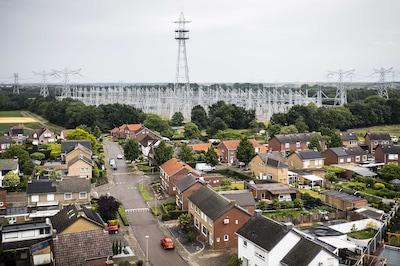
Approximately 300,000 planned new homes in the Netherlands are currently stalled due to severe capacity constraints on the national electricity grid. Industry leaders warn that these grid issues, combined with rising construction costs, threaten to derail housing targets and are urging the government to implement a rapid action plan.
The construction of nearly 300,000 new homes in the Netherlands is currently at risk due to severe capacity limitations on the electricity grid. Industry organizations, including Neprom and Bouwend Nederland, are warning that this power shortage, combined with a 25 percent increase in construction costs over the past four years, threatens national housing targets. Developers argue that they need long-term certainty to proceed with projects and are calling for a comprehensive action plan to expand the grid infrastructure. Because of the grid congestion, there is a risk that construction capacity will shift toward other sectors like infrastructure repair instead of residential projects.
While the government recently proposed legislative changes to accelerate grid expansion and improve efficiency, developers stress that current demands—such as requiring builders to fund additional energy infrastructure like batteries and heating networks—are making projects financially unfeasible. They emphasize that while some parts of the country have grid capacity, the most critical shortages exist near major urban areas where the demand for new housing is highest.
Based on reporting by ad. Translated and condensed by LocalHeadlines.