Why does Amsterdam have such a big crack problem? And five other questions
Amsterdam is grappling with increased public nuisance caused by crack users, a problem that experts attribute to the drug's addictive nature and a lack of effective medical treatment options. City officials are struggling to balance a compassionate approach to addiction with the need to curb public disorder and safety concerns in local parks and neighborhoods.
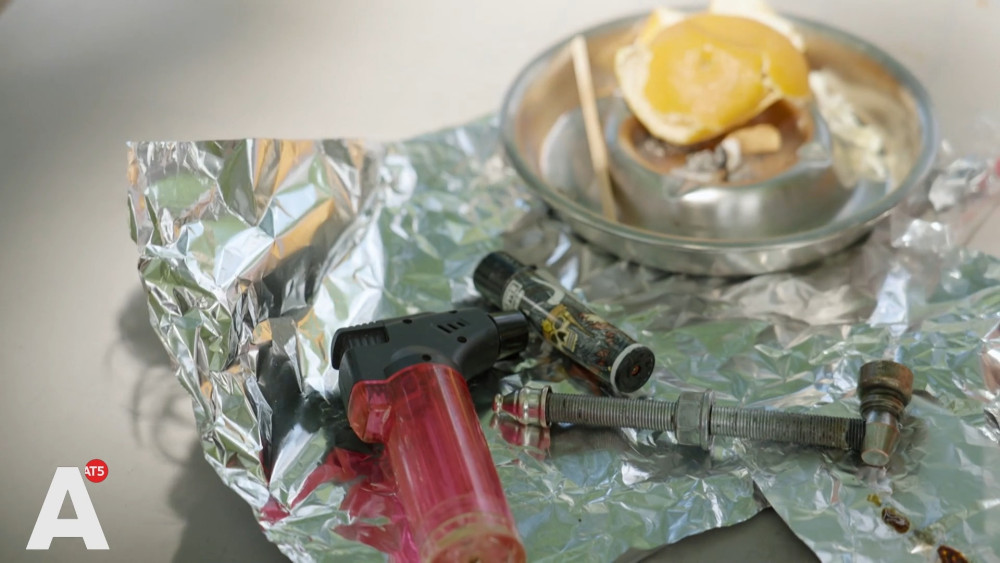
Visible crack use has become an increasing concern in Amsterdam, leading to public nuisance, intimidation, and concerns regarding safety in parks and urban neighborhoods. While experts note that crack use is not a new phenomenon, the behavior associated with the drug—characterized by short-lived euphoria followed by a desperate urge to redose—creates unique challenges for professionals. Unlike heroin, there is currently no substitute treatment medication like methadone to help manage the dependency of users. Consequently, the city is exploring ways to address the issue, balancing concerns for social care with the need to manage public order and nuisance in hotspot areas. Researchers emphasize that the user population is diverse, ranging from older, long-term addicts to younger individuals who often combine multiple substances. The complexity of the problem is exacerbated by broader social issues, including the housing crisis, loneliness, and limited access to professional care. Amsterdam leadership is currently seeking government support for research into potential medical treatments for crack addiction to address the root causes of this ongoing crisis.
Based on reporting by rss. Translated and condensed by LocalHeadlines.