parool

Amsterdam tap water contains more than twice the PFAS recommended by RIVM
Amsterdam tap water contains more than twice the PFAS recommended by RIVM

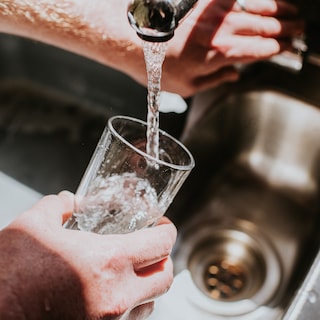
Recent analysis by Greenpeace shows that PFAS levels in tap water across parts of the western Netherlands exceed the RIVM health advisory limit of 4.4 nanograms per liter. Although these measurements are well below the legal European safety standard, experts emphasize the need for stricter industrial regulations to curb chemical emissions.

A recent analysis conducted by Greenpeace has revealed that PFAS concentrations in tap water across parts of the western Netherlands exceed the advisory health limits set by the RIVM. Measurements in Amsterdam were found to be 9.3 nanograms per liter, while other locations like Zaanstad and IJmuiden reached 14.3 nanograms per liter. These figures are significantly higher than the RIVM recommendation of 4.4 nanograms per liter, which was established based on recent scientific insights regarding potential immune system risks. Despite these findings, the levels remain well within the legal European limit of 100 nanograms per liter. Drinking water providers note that the presence of these chemicals is largely due to pollution entering water sources such as the IJsselmeer and the Lek from international water flows. Industry experts and environmental groups stress that the water remains safe to drink and fully compliant with legal regulations. They argue that the focus should be on stricter industrial oversight and reducing chemical emissions rather than switching to alternative water sources.

Based on reporting by parool. Translated and condensed by LocalHeadlines.

Related articles

Aches and pains: Doctor Rutger takes every complaint seriously, but sometimes there is something else going on

Aches and pains: Doctor Rutger takes every complaint seriously, but sometimes there is something else going on

Doctor Rutger notes that patients have varying pain thresholds and approaches to communicating physical discomfort. He emphasizes that every patient is unique, requiring a personalized approach to medical consultations.

What we didn't yet know about menopause: ‘Fecal incontinence is the ultimate, deeply hidden taboo’

What we didn't yet know about menopause: ‘Fecal incontinence is the ultimate, deeply hidden taboo’

Recent insights into menopause highlight that while societal stigmas are decreasing, certain issues like fecal incontinence remain deeply taboo. Experts are currently working to improve medical understanding of hormone therapies and aim to develop home testing kits for menopause within the next five years.

From near extinction to a thriving fishery: how Portugal’s sardine population was saved

From near extinction to a thriving fishery: how Portugal’s sardine population was saved

After facing near-extinction due to overfishing, Portugal's sardine population is recovering thanks to a successful management plan. This restoration has revitalized the local fishing industry while ensuring the fish remains a sustainable and healthy staple of the Portuguese diet.

Maarten Spanjer married in the hospital five days before his death

Maarten Spanjer married in the hospital five days before his death

Actor and writer Maarten Spanjer married his partner in a hospital five days before passing away from cancer. The intimate bedside ceremony allowed Spanjer to fulfill his final wish of being a married man.

Painful, black toenails after running: this is 'runner's toe' and how you can prevent it

Painful, black toenails after running: this is 'runner's toe' and how you can prevent it

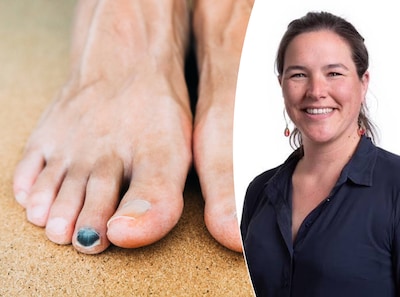
Runners toe, or a subungual hematoma, is a frequent injury caused by repetitive impact or direct pressure on the toes, often affecting endurance athletes. While usually harmless, the condition results in painful bruising under the nail that can take months to fully resolve as the nail grows out.