parool

Health Council advises against structural 13-week ultrasound
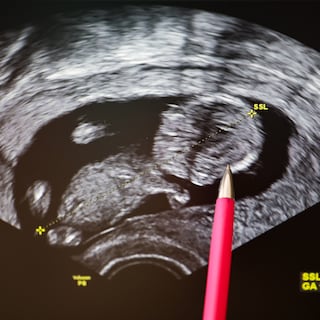
Health Council advises against structural 13-week ultrasound

The Health Council of the Netherlands has advised against the structural implementation of the 13-week ultrasound, citing high rates of false positives and missed abnormalities. Despite this recommendation, Minister Sophie Hermans announced that the scan will continue to be offered as part of a research program until at least 2028.

The Health Council of the Netherlands has advised against making the 13-week ultrasound a structural part of standard pregnancy care. An official study requested by the Ministry of Health, Welfare and Sport revealed that the 13-week scan missed a significant number of fetal abnormalities while simultaneously yielding a high rate of false-positive results. Specifically, out of nearly 130,000 scans performed between 2021 and 2022, over 700 were found to be false positives, leading to unnecessary follow-up examinations and parental stress. While the study highlighted these diagnostic limitations, it did not factor in the overall costs associated with the procedure. The Health Council has presented its findings to the minister for further policy consideration. In response, Health Minister Sophie Hermans confirmed that the 13-week ultrasound will remain in place as part of ongoing research until at least January 1, 2028, to ensure continuity for medical professionals. The ministry plans to provide a more detailed substantive response regarding the future of the scan at a later date.

Based on reporting by parool. Translated and condensed by LocalHeadlines.
Related articles

Aches and pains: Doctor Rutger takes every complaint seriously, but sometimes there is something else going on

Aches and pains: Doctor Rutger takes every complaint seriously, but sometimes there is something else going on

Doctor Rutger notes that patients have varying pain thresholds and approaches to communicating physical discomfort. He emphasizes that every patient is unique, requiring a personalized approach to medical consultations.

What we didn't yet know about menopause: ‘Fecal incontinence is the ultimate, deeply hidden taboo’

What we didn't yet know about menopause: ‘Fecal incontinence is the ultimate, deeply hidden taboo’

Recent insights into menopause highlight that while societal stigmas are decreasing, certain issues like fecal incontinence remain deeply taboo. Experts are currently working to improve medical understanding of hormone therapies and aim to develop home testing kits for menopause within the next five years.

From near extinction to a thriving fishery: how Portugal’s sardine population was saved

From near extinction to a thriving fishery: how Portugal’s sardine population was saved

After facing near-extinction due to overfishing, Portugal's sardine population is recovering thanks to a successful management plan. This restoration has revitalized the local fishing industry while ensuring the fish remains a sustainable and healthy staple of the Portuguese diet.

Maarten Spanjer married in the hospital five days before his death

Maarten Spanjer married in the hospital five days before his death

Actor and writer Maarten Spanjer married his partner in a hospital five days before passing away from cancer. The intimate bedside ceremony allowed Spanjer to fulfill his final wish of being a married man.

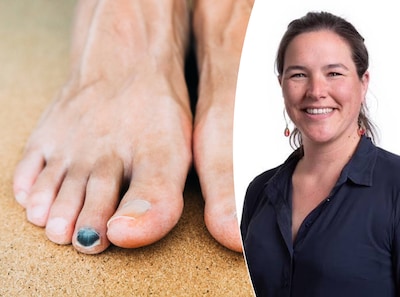
Painful, black toenails after running: this is 'runner's toe' and how you can prevent it

Painful, black toenails after running: this is 'runner's toe' and how you can prevent it

Runners toe, or a subungual hematoma, is a frequent injury caused by repetitive impact or direct pressure on the toes, often affecting endurance athletes. While usually harmless, the condition results in painful bruising under the nail that can take months to fully resolve as the nail grows out.