ad

Health Council advises against structural 13-week ultrasound
Health Council advises against structural 13-week ultrasound

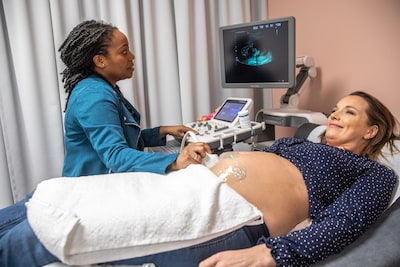
The Health Council of the Netherlands has advised against permanently implementing the 13-week prenatal ultrasound due to high rates of false positives and missed diagnoses. Although the screening will continue under a research framework until 2028, officials cited concerns that the procedure's current reliability does not justify its structural adoption.

The Health Council of the Netherlands has advised against the permanent implementation of the 13-week prenatal ultrasound, citing concerns over diagnostic accuracy. Recent research conducted at the request of the Ministry of Health, Welfare and Sport found that the screening often produces false positive results, leading to unnecessary follow-up examinations for expectant parents. Additionally, the study noted that many fetal anomalies were missed during these early screenings, suggesting the procedure does not currently offer a reliable benefit to outweigh its drawbacks.

Between 2021 and 2022, nearly 130,000 such ultrasounds were performed, with 775 cases identified as false positives. While the Health Council previously advocated for this early screening, updated data shows that the test frequently failed to reach required standards. Despite this recommendation, Minister Sophie Hermans stated that the ultrasound will remain available under a research framework until at least January 1, 2028, to ensure continuity in the medical field while the government reviews the findings further.

Based on reporting by ad. Translated and condensed by LocalHeadlines.
Related articles

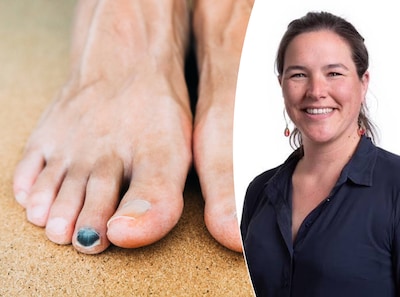
Painful, black toenails after running: this is 'runner's toe' and how you can prevent it

Painful, black toenails after running: this is 'runner's toe' and how you can prevent it

Runners toe, or a subungual hematoma, is a frequent injury caused by repetitive impact or direct pressure on the toes, often affecting endurance athletes. While usually harmless, the condition results in painful bruising under the nail that can take months to fully resolve as the nail grows out.

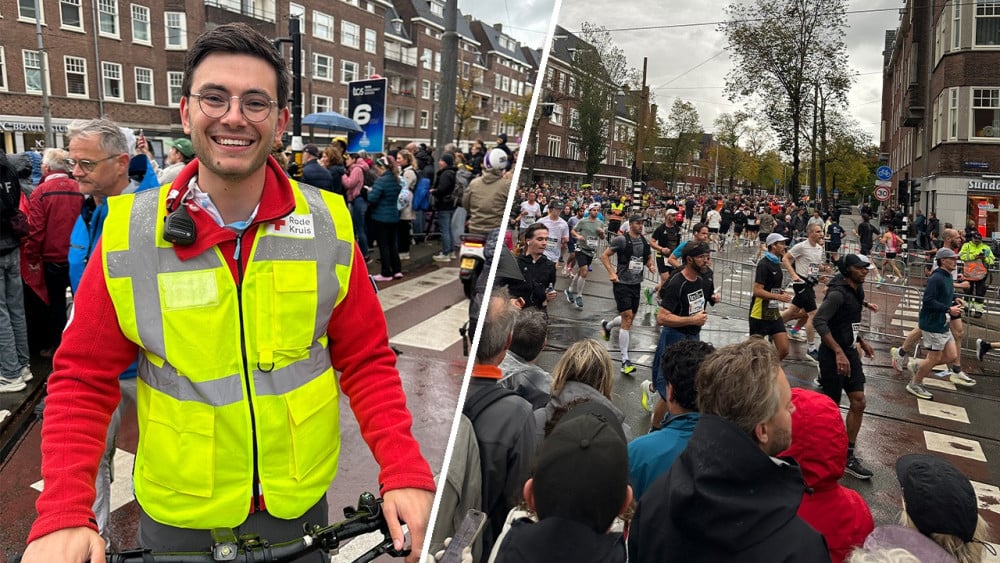
Aid worker Tim has been volunteering at Amsterdam Marathon for nearly nine years

Aid worker Tim has been volunteering at Amsterdam Marathon for nearly nine years

Tim Zandbergen has volunteered as a first aid responder for the Amsterdam Marathon for nearly nine years, using his bicycle to provide rapid medical assistance. He carries essential equipment like an AED to help participants and spectators during emergencies, including life-threatening situations.

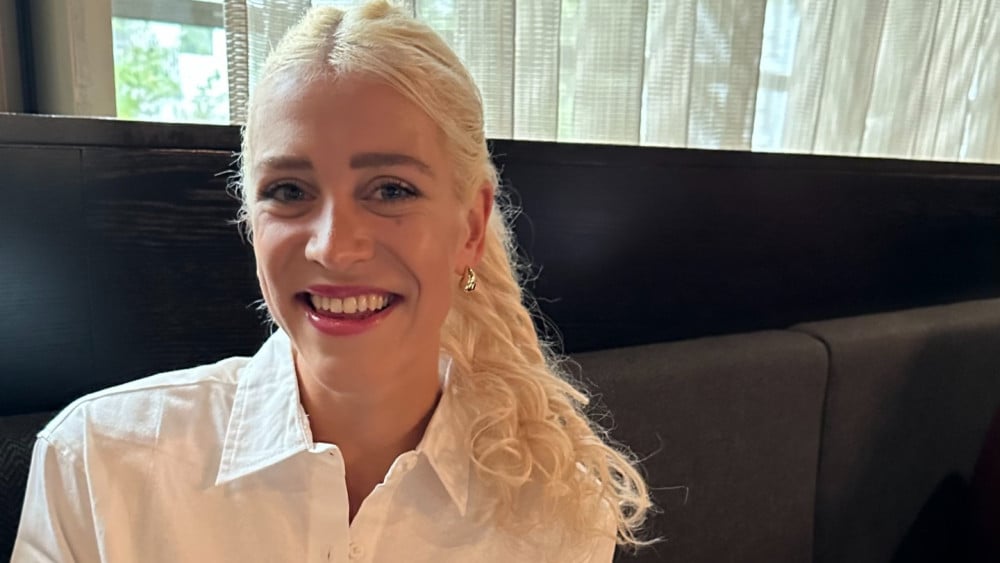
How to recover after a marathon: Five tips from a physiotherapist

How to recover after a marathon: Five tips from a physiotherapist

Physical therapist Milou Schooneman offers recovery tips for participants of the Amsterdam Marathon, emphasizing the need for gentle movement, proper nutrition, and hydration. She advises runners to gradually rebuild their training intensity over the week following the race and to seek medical advice if muscle pain persists.

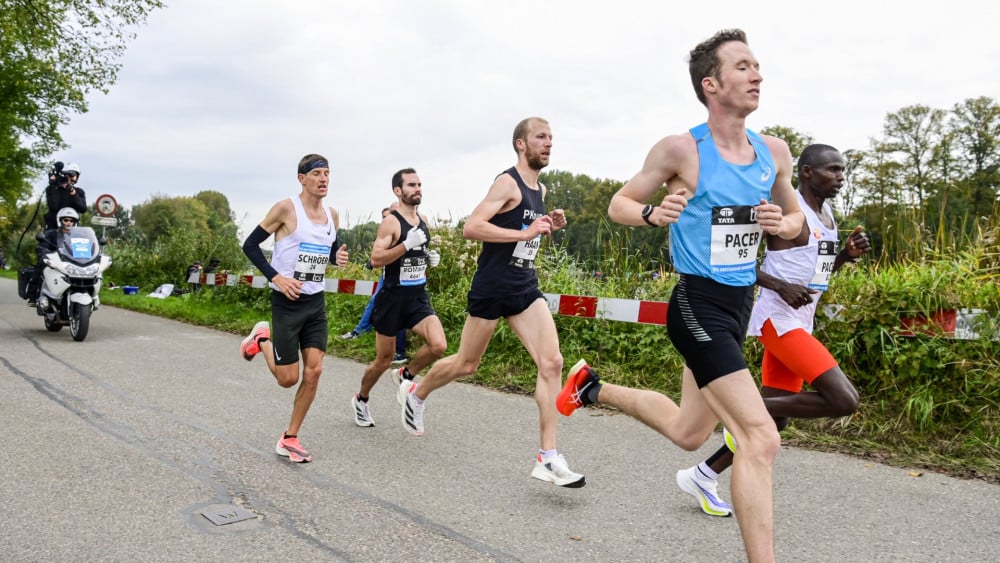
NH gets an exclusive look: this is what Amsterdam Marathon top runners eat for breakfast

NH gets an exclusive look: this is what Amsterdam Marathon top runners eat for breakfast

Elite athletes participating in the Amsterdam Marathon prioritize simple, familiar meals in the days leading up to the race to avoid digestive distress. Whether opting for plain bread with honey or traditional African staples like beans and eggs, competitors focus on consistency rather than dietary experimentation.

Charly Luske shocked by his own drinking and quit: 'That makes you an alcoholic'

Charly Luske shocked by his own drinking and quit: 'That makes you an alcoholic'

Charly Luske recently quit drinking alcohol after realizing his theater tour habits led him to consume four bottles of wine per week. The entertainer, who also manages addictive tendencies related to gambling, has now been sober for six months and maintains strict personal rules to ensure his well-being.