nu

World Cup visitors bombarded with fast food and drink advertisements

World Cup visitors bombarded with fast food and drink advertisements

A study found that unhealthy food and drink brands dominated advertising during the World Cup, appearing in over 70 percent of all visible branding throughout the live matches. These advertisements were present for nearly a quarter of total playtime, with four major global companies accounting for the vast majority of the exposure.

A new study reveals that brands marketing unhealthy food and beverages dominated the recent World Cup, appearing in over 70 percent of all advertisements displayed during live match footage. Researchers analyzed 65,722 instances of branding on pitch-side displays, excluding standard commercial breaks, and found that these products were visible for 39.3 hours of live play, accounting for nearly one-quarter of the total match time. Four major global brands, including a soft drink company and a fast-food chain, were responsible for 65 percent of these logo sightings.

The findings highlight the massive scale of exposure for products associated with unhealthy diets during the tournament, which attracted nearly six billion viewers worldwide. Beyond fast food and drinks, other prominent sponsorships included gambling, sports betting, and cryptocurrency platforms. This research marks the first comprehensive effort to map the visibility of harmful product brands within actual game coverage, underscoring the significant impact of corporate partnerships on global audiences during major sporting events.

Based on reporting by nu. Translated and condensed by LocalHeadlines.

Related articles

From near extinction to a thriving fishery: how Portugal’s sardine population was saved

From near extinction to a thriving fishery: how Portugal’s sardine population was saved

After facing near-extinction due to overfishing, Portugal's sardine population is recovering thanks to a successful management plan. This restoration has revitalized the local fishing industry while ensuring the fish remains a sustainable and healthy staple of the Portuguese diet.

Global stock markets fall on AI concerns

Global stock markets fall on AI concerns

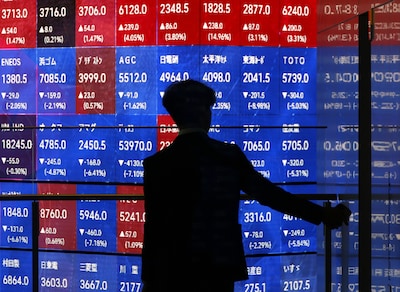
Global stock markets have experienced significant declines driven by growing investor anxiety over debt levels and potential demand slowdowns in the artificial intelligence sector. Major indices, including the Nasdaq and various Asian benchmarks, saw substantial losses as chipmakers and tech-related stocks faced a worldwide sell-off.

Empty shelves, saunas in the coolers: our essential services are vulnerable to cyber incidents

Empty shelves, saunas in the coolers: our essential services are vulnerable to cyber incidents

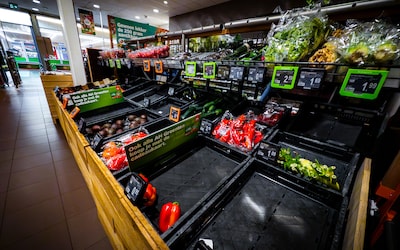
The grocery sector is increasingly facing cybersecurity threats, leading to incidents such as empty store shelves and malfunctioning cooling equipment. Experts warn that these vulnerabilities in essential services could cause further public instability if security measures are not improved.

EU selects 46 raw materials projects to reduce dependence on China

EU selects 46 raw materials projects to reduce dependence on China

The European Commission has launched 46 projects across sixteen countries to reduce reliance on China for vital raw materials like lithium and copper. These initiatives, supported by prioritized permits and funding assistance, aim to significantly boost domestic processing and recycling capacity by 2030.

Electric cars are driving further into Europe, but watch out for hidden costs in France

Electric cars are driving further into Europe, but watch out for hidden costs in France

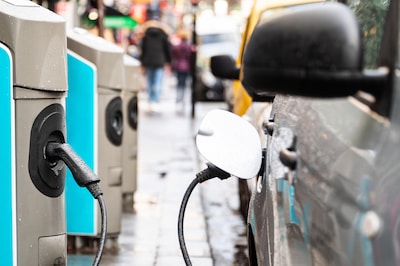
Dutch electric vehicle drivers are increasingly traveling further across Europe, but the ANWB warns that hidden costs like blocking fees remain a problem in countries such as France. Drivers are advised to check tariff details in charging apps to avoid significant unexpected charges for staying connected to a station after a battery is full.