rss

Amsterdam wants to pilot medication for crack users: "Government must grant permission"
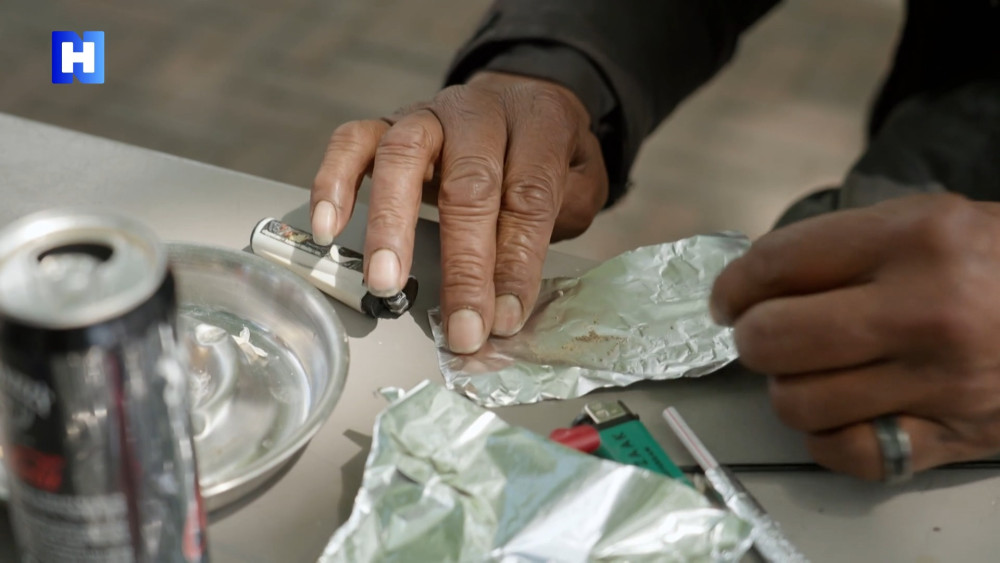
Amsterdam wants to pilot medication for crack users: "Government must grant permission"

Mayors of the four largest Dutch cities have requested government approval to use dexamphetamine as a medical treatment for crack cocaine addiction. Researchers aim to launch a pilot program in Amsterdam to determine if the drug can help users reduce consumption, though it currently faces significant regulatory hurdles.

Mayors of the four largest cities in the Netherlands, including Amsterdam, have urged the government to authorize the use of dexamphetamine as a treatment for crack cocaine addiction. The medication, commonly used for ADHD, is being proposed as a substitute therapy to help users reduce or cease their dependence on crack, which causes severe withdrawal symptoms after very short-lived highs. Experts suggest that a single daily dose could provide a stimulant effect, potentially mitigating the intense cravings that drive frequent use.

Researchers in Amsterdam are prepared to launch a pilot program to test the effectiveness of this treatment on a larger scale, but the project remains stalled pending government approval and regulatory clearance, as the drug is currently restricted under the Opium Act. While estimates regarding the exact number of crack users remain uncertain, data from health organizations suggests thousands of individuals in Amsterdam struggle with problematic use. Supporters of the initiative hope that with formal authorization, widespread medical implementation could be feasible within a year.

Based on reporting by rss. Translated and condensed by LocalHeadlines.

Related articles

No new snack bars near schools? Amsterdam looks for legal ways to limit unhealthy food options

No new snack bars near schools? Amsterdam looks for legal ways to limit unhealthy food options

Amsterdam is attempting to legally restrict new unhealthy food outlets, especially near schools, by testing the boundaries of current environmental laws in court. The city hopes this pilot case will either empower local authorities to act now or provide the necessary evidence to pressure the national government into finalizing a new Food Act.

Municipality to open its own healthy restaurant to combat excess of fast food outlets

Municipality to open its own healthy restaurant to combat excess of fast food outlets

The Amsterdam municipal government plans to open and then deny a permit for its own unhealthy restaurant to test legal limits regarding health-based zoning. By taking the matter to court, officials aim to establish a precedent that would allow the city to restrict new fast-food establishments in the future.

End to intake freeze at Levvel, youths with severe issues can once again be admitted in Amsterdam

End to intake freeze at Levvel, youths with severe issues can once again be admitted in Amsterdam

Care organization Levvel has ended its intake freeze for Amsterdam youth following successful negotiations to secure more beds for those in need of severe residential care. While access has been restored, the municipality is demanding better coordination among providers and has initiated an independent financial audit of Levvel to ensure future stability.

VVD wants smoke- and vape-free zones around schools

VVD wants smoke- and vape-free zones around schools

The Amsterdam VVD has proposed a ban on smoking and vaping within 50 meters of schools to combat rising youth nicotine addiction. The plan also includes stricter enforcement against illegal flavored vapes and the creation of improved cessation support services for students.

UMC: increasingly unhealthy food supply in cities, Amsterdam also scores poorly: 'Hurry up with Food Law'

UMC: increasingly unhealthy food supply in cities, Amsterdam also scores poorly: 'Hurry up with Food Law'

A study by the UMC across ten Dutch cities shows that urban food environments have become increasingly unhealthy over the last decade. Local officials are now calling for a new national Food Act to grant municipalities the legal power to regulate unhealthy food vendors, especially near schools.