nu

Employee who misbehaves at protest rarely fired: 'Bar is set high'
Employee who misbehaves at protest rarely fired: 'Bar is set high'

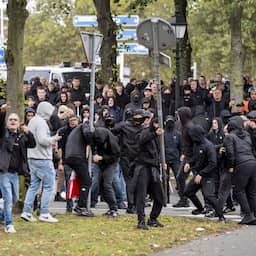
Employers in the Netherlands face significant legal challenges when attempting to fire staff for misconduct committed during private time, such as at demonstrations. Experts state that dismissal is only likely if the actions directly harm the employer's reputation or if the employee's specific role is incompatible with their behavior.

Dutch employers face a high legal threshold when attempting to fire employees for misconduct committed during their private time, such as participating in unruly demonstrations. According to labor law experts, employers generally lack authority over an employee's personal life and freedom of expression. Dismissal is rarely an option unless the behavior directly impacts the company's reputation, such as when an employee performs client-facing roles or wears company-branded clothing during an incident. Even in serious cases, such as criminal charges or lengthy detention, termination is not automatic.

Legal experts note that outcomes often depend on the specific nature of the role and the employee's history. While certain public sector positions, like law enforcement, might face stricter scrutiny due to the nature of their duties, courts frequently favor the employee if the conduct is a one-time occurrence. Cases involving pilots or medical staff have shown that judges often require substantial evidence of damaged professional standing before allowing an employment contract to be dissolved, emphasizing that private actions remain largely separated from professional obligations in the Netherlands.

Based on reporting by nu. Translated and condensed by LocalHeadlines.
Related articles

Not just IDFA: Amsterdam’s wider cultural sector hit by rising hotel costs as tourist tax hike drives away key visitors

Not just IDFA: Amsterdam’s wider cultural sector hit by rising hotel costs as tourist tax hike drives away key visitors

Amsterdam's cultural sector, including major events like IDFA, ADE, and the Holland Festival, is struggling due to rising tourist taxes and hotel VAT. These increased costs are forcing organizers to raise ticket prices and reduce programming, threatening the accessibility and quality of the city's cultural offerings.

Harry Styles concerts in Arena caused inflation in the Netherlands to rise

Harry Styles concerts in Arena caused inflation in the Netherlands to rise

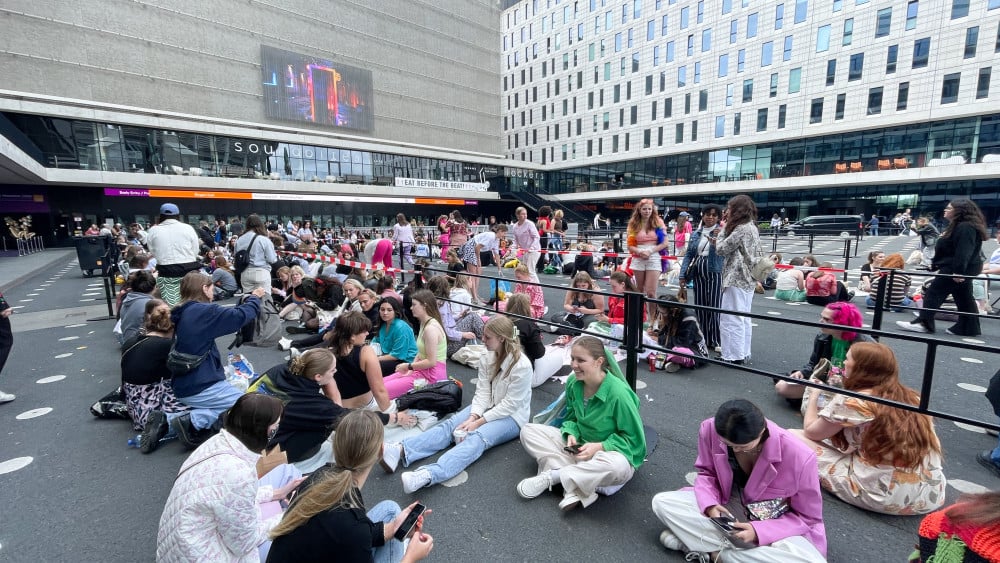
Economists from De Nederlandsche Bank have linked a series of ten concerts by Harry Styles in Amsterdam to a rise in Dutch inflation during May. The high demand from international fans led to a significant surge in hotel and ticket prices, marking an unusual impact on the national economy.

Housing, industry and nature: who gets the space along the North Sea Canal?

Housing, industry and nature: who gets the space along the North Sea Canal?

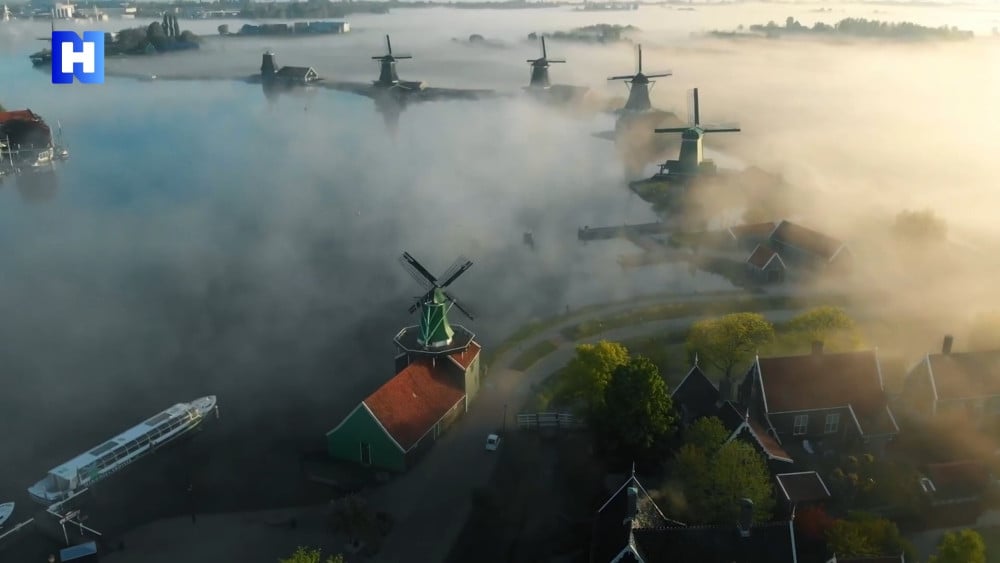
The Noordzeekanaal area is experiencing increasing pressure as industrial needs, new housing projects, and nature conservation compete for limited space. A new television series commemorates the canal's 150th anniversary by exploring how these different sectors coexist and evolve within the region.

New strike in regional transport: fewer buses and trains on Thursday

New strike in regional transport: fewer buses and trains on Thursday

Regional transport workers in the Netherlands are set to hold another strike this Thursday, leading to reduced bus and train services. This action is part of an ongoing dispute over a new collective labor agreement, with unions planning weekly walkouts until Christmas if negotiations remain unresolved.

Not selling out is not a death blow for festival: 'But be careful not to price yourself out of the market'

Not selling out is not a death blow for festival: 'But be careful not to price yourself out of the market'

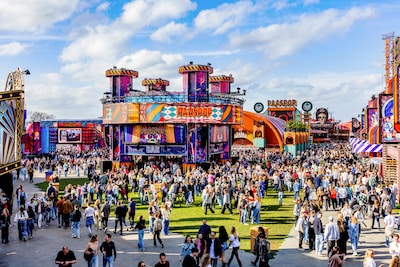
Festival organizations in the Netherlands faced a challenging summer marked by extreme weather, rising operational costs, and fluctuating ticket sales. Despite these significant hurdles, industry professionals remain optimistic due to the sector's inherent creativity and ability to adapt to difficult circumstances.