rss

Vibrations forbidden in new VU building: "We measure down to the billionth of a second"
Vibrations forbidden in new VU building: "We measure down to the billionth of a second"

The Vrije Universiteit in Amsterdam has opened a new research building designed with advanced concrete foundations to block vibrations from nearby traffic and public transport. These specialized measures allow scientists to perform highly precise physics and biomedical experiments that would otherwise be disrupted by environmental interference.

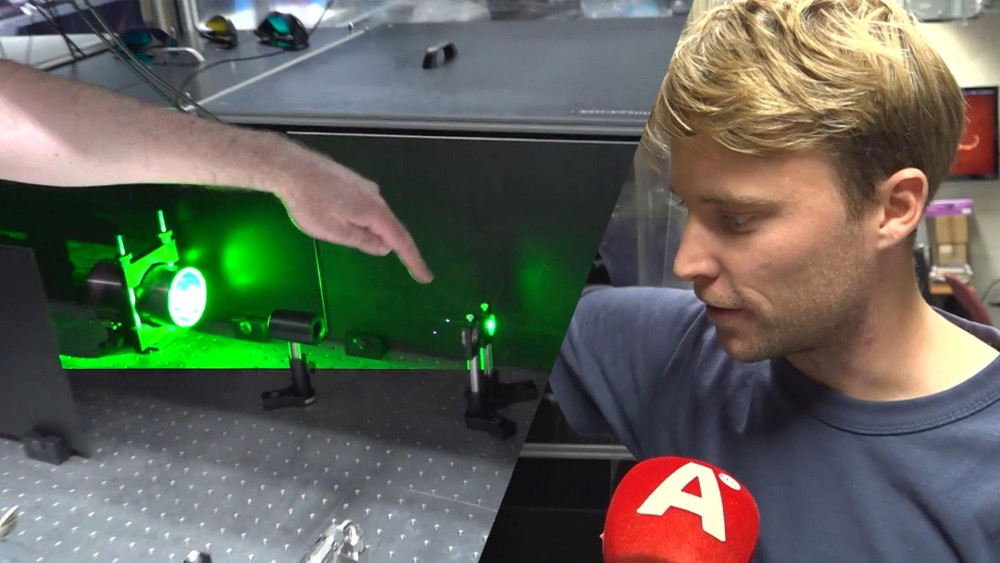
The Vrije Universiteit in Amsterdam has officially opened a sophisticated new research facility specifically engineered to eliminate external vibrations. Construction on the project began in 2017 to provide a stable environment for sensitive physics and biomedical experiments. To shield laboratory equipment from the noise and movement caused by nearby traffic on the A10 motorway, trains, and trams, engineers installed massive concrete blocks weighing 350,000 kilograms each in the building's basement, alongside a 26-meter-deep foundation wall.

Physics professor and laser lab director Kjeld Eikema noted that the facility is necessary because researchers must often conduct measurements with a precision of one billionth of a second. Although the chosen location experiences high levels of environmental vibration, officials argued that finding a quieter site in the Netherlands would be nearly impossible without relocating to a remote area. Consequently, the university integrated these advanced vibration-dampening technologies directly into its existing campus infrastructure to ensure that sensitive experimental work remains undisturbed by urban activity.

Based on reporting by rss. Translated and condensed by LocalHeadlines.
Related articles

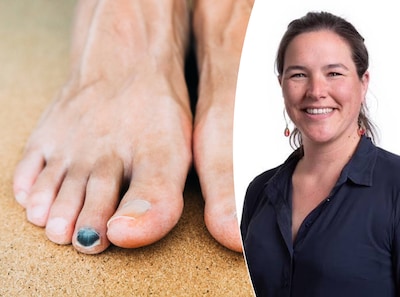
Painful, black toenails after running: this is 'runner's toe' and how you can prevent it

Painful, black toenails after running: this is 'runner's toe' and how you can prevent it

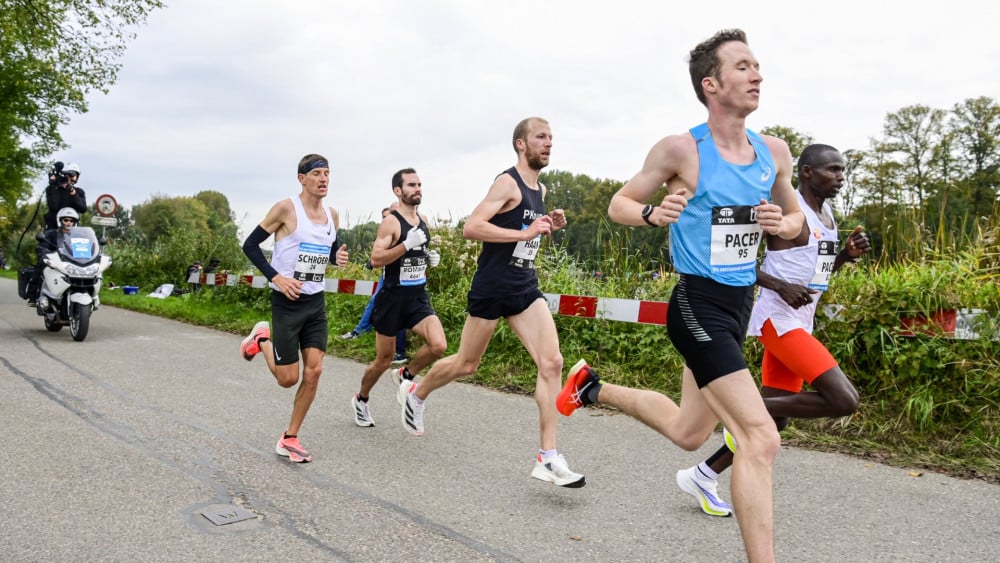
Runners toe, or a subungual hematoma, is a frequent injury caused by repetitive impact or direct pressure on the toes, often affecting endurance athletes. While usually harmless, the condition results in painful bruising under the nail that can take months to fully resolve as the nail grows out.

Aid worker Tim has been volunteering at Amsterdam Marathon for nearly nine years

Aid worker Tim has been volunteering at Amsterdam Marathon for nearly nine years

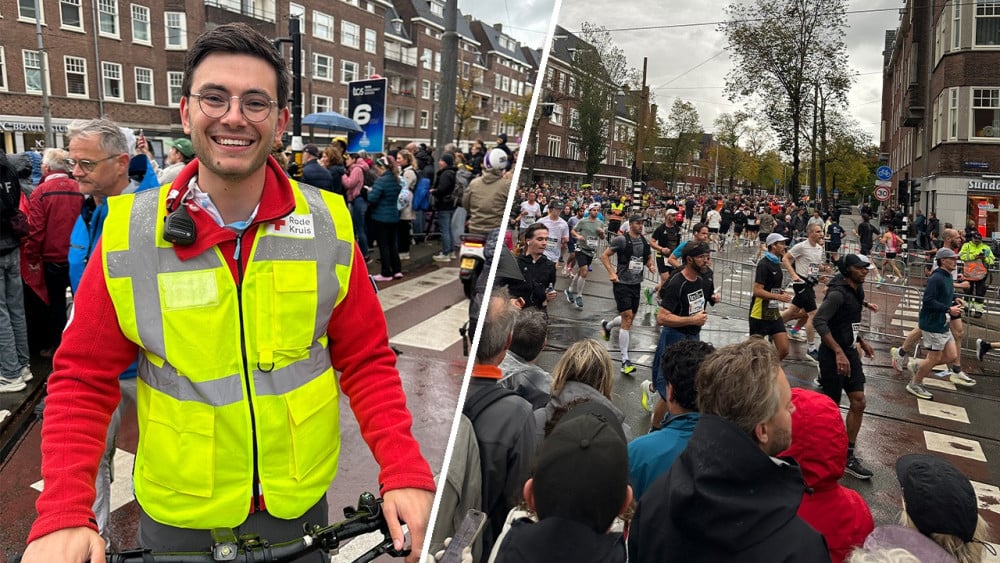
Tim Zandbergen has volunteered as a first aid responder for the Amsterdam Marathon for nearly nine years, using his bicycle to provide rapid medical assistance. He carries essential equipment like an AED to help participants and spectators during emergencies, including life-threatening situations.

How to recover after a marathon: Five tips from a physiotherapist

How to recover after a marathon: Five tips from a physiotherapist

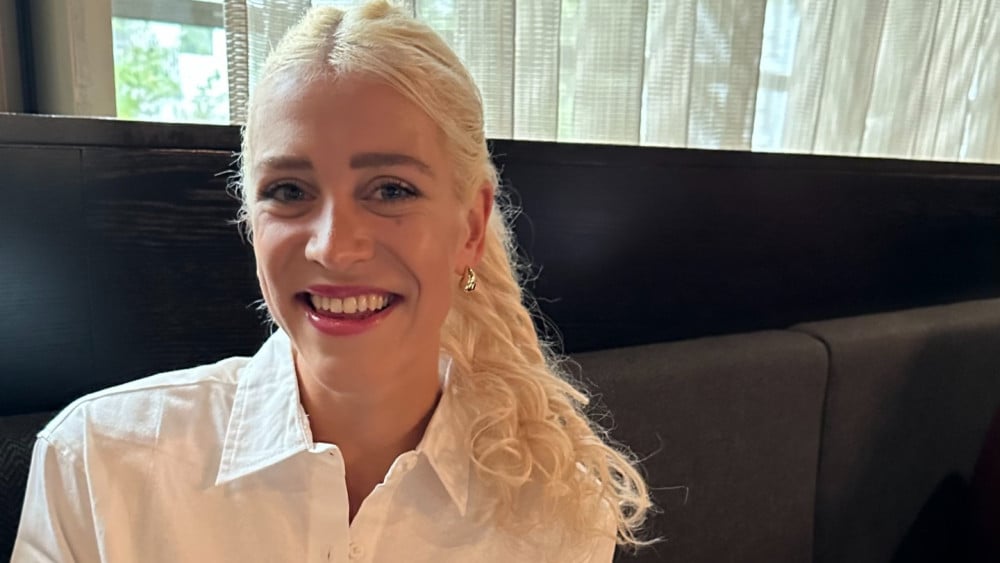
Physical therapist Milou Schooneman offers recovery tips for participants of the Amsterdam Marathon, emphasizing the need for gentle movement, proper nutrition, and hydration. She advises runners to gradually rebuild their training intensity over the week following the race and to seek medical advice if muscle pain persists.

Long wait times at Schiphol due to electronic passport control failure

Long wait times at Schiphol due to electronic passport control failure

Schiphol Airport is facing significant passenger delays after a technical failure incapacitated its automated eGate passport control system on Sunday morning. Royal Netherlands Marechaussee officers are currently conducting manual checks as they investigate the cause of the malfunction, which is not believed to be a cyberattack.

NH gets an exclusive look: this is what Amsterdam Marathon top runners eat for breakfast

NH gets an exclusive look: this is what Amsterdam Marathon top runners eat for breakfast

Elite athletes participating in the Amsterdam Marathon prioritize simple, familiar meals in the days leading up to the race to avoid digestive distress. Whether opting for plain bread with honey or traditional African staples like beans and eggs, competitors focus on consistency rather than dietary experimentation.